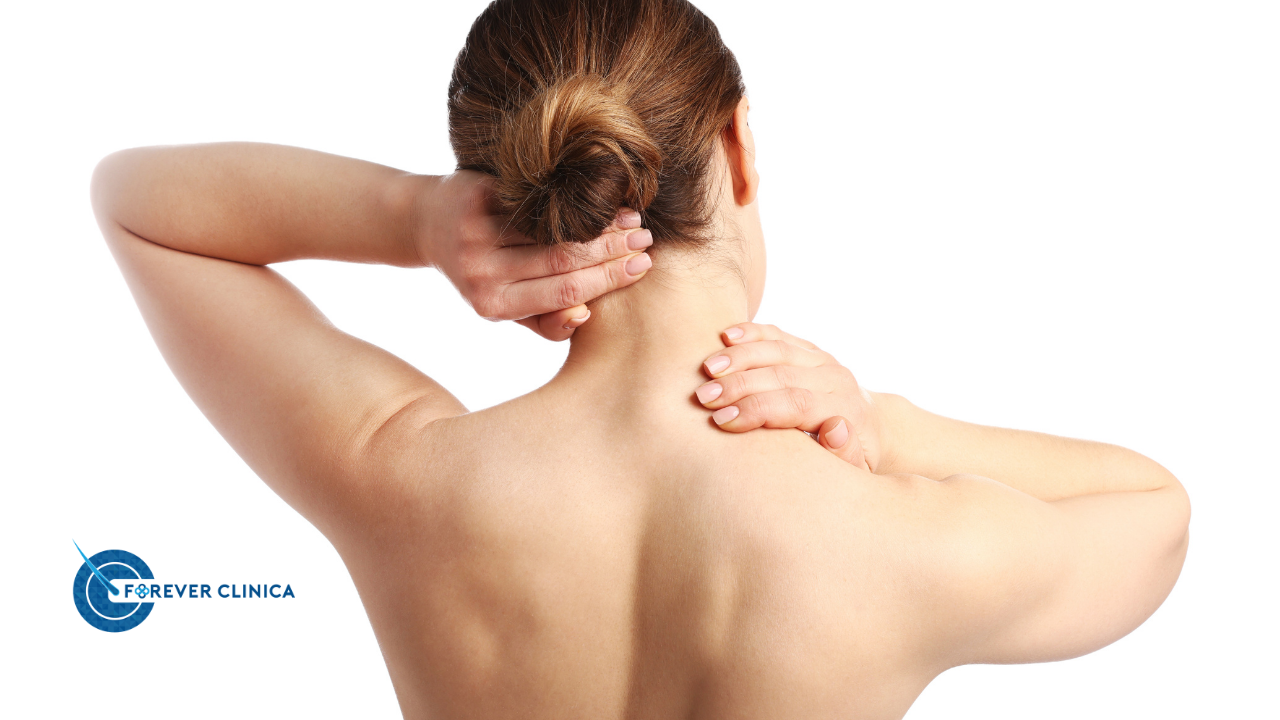
What is Neck Lift Surgery?

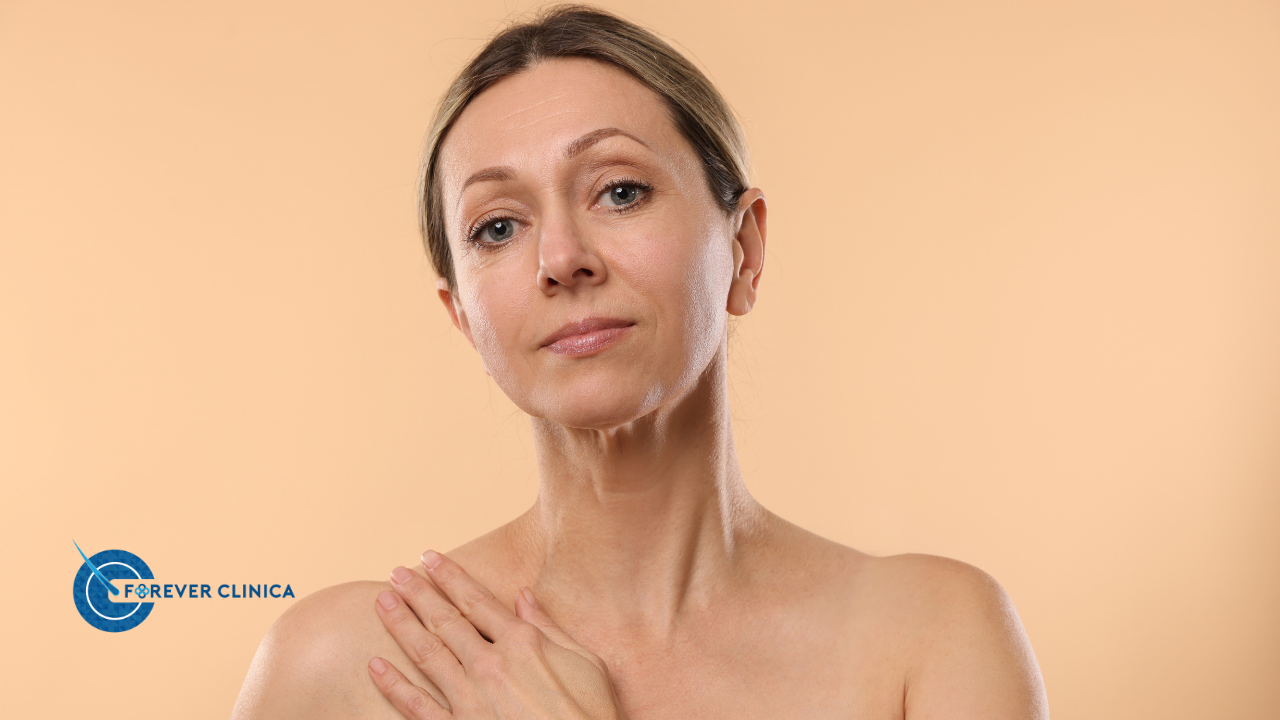
Time often leaves its most honest marks on the neck. No matter how meticulously you care for your face or how many high-quality creams you apply, gravity and the natural aging process eventually affect the thin skin and muscle structure of the neck. It can be disheartening to look in the mirror and see a blurred jawline, sagging often referred to as a “turkey neck,” or deep horizontal creases settling in. This is where the most effective solution to turn back the clock and restore that sharp, youthful definition to the lower face comes into play: Neck Lift Surgery (Lower Rhytidectomy).

At Forever Clinica, during the aesthetic operations we facilitate in the heart of Istanbul, we understand that a neck lift is not just a “stretching” procedure; it is an architectural reconstruction of the lower face. The neck is the most vital pillar that allows the face to appear as an aesthetic whole. Let’s examine this miraculous touch of modern medicine—the surgical process, technical details, and recovery stages—from a professional and comprehensive perspective.

Neck Lift Surgery

What is Neck Lift Surgery? A Process of Aesthetic Restoration

A neck lift is a surgical procedure aimed at removing excess skin, tightening the underlying weakened muscles, and, if necessary, eliminating stubborn fat deposits (the double chin). In medical literature, it is generally defined as a combination of Platysmaplasty (muscle repair) and Cervicoplasty (skin repair).

This operation does more than just erase the signs of aging; it also creates a much more dynamic profile for younger patients who may have a genetically sagging or fatty neck area by defining the jawline. Much like reinforcing the foundation of a building, a neck lift prepares a solid and taut ground for the lower portion of the face.


Why Does the Neck Age? Getting to the Root of the Problem

The skin in the neck area is much thinner and more delicate than in other parts of the body. Furthermore, because it is poor in sebaceous (oil) glands, it is more prone to drying and wrinkling. The aging process manifests in the neck in three primary ways:

  • Skin Laxity: With the decrease of collagen and elastin fibers, the skin loses its elasticity, becoming “crepe-like” and sagging.

  • Muscle Weakening (Platysma Bands): The “platysma” muscle, which extends upward on both sides of the neck, weakens and separates over time. This leads to the formation of vertical cords or bands in the neck.

  • Fat Accumulation (The Double Chin): Stubborn fat tissue accumulating under the chin hides the sharp jawline, making the person look heavier and older than they actually are.


Who is an Ideal Candidate for a Neck Lift?

The ideal candidate for a neck lift is an individual in good general health who is bothered by physical changes in the neck area. Generally, people with the following criteria apply for this surgery:

  • Those whose jawline has completely disappeared, making the face and neck appear merged.

  • Individuals with advanced sagging and wrinkling in the neck skin.

  • People with a stubborn “double chin” that does not go away despite diet and exercise.

  • Individuals whose vertical “platysma bands” have become very prominent.

  • Those who have tried non-surgical methods (thread lifts, focused ultrasound, etc.) but did not achieve the desired results.

While the surgery is usually performed on patients between the ages of 40 and 70, it also yields excellent results for patients in their 30s who experience sagging due to genetic reasons.


The Surgical Process and Techniques Used

Neck lift surgery can involve several different techniques customized to the patient’s needs. The operation is typically performed under general anesthesia and lasts between 2 to 4 hours, depending on the complexity.

1. Liposuction (Fat Removal): If the primary problem is only fat accumulation, excess fat is vacuumed out through millimetric incisions made behind the ears or under the chin. If skin elasticity is good in younger patients, liposuction alone may suffice.

2. Cervicoplasty (Skin Tightening): Discreet incisions are made starting in front of the ear, extending behind the ear and into the hairline. Through these incisions, the skin is gently pulled upward and backward. The excess skin is then trimmed and removed.

3. Platysmaplasty (Muscle Tightening): A small incision under the chin allows access to the neck muscles. The weakened platysma muscles are sutured together in the midline, much like a corset. This is the part of the surgery that provides the most long-lasting result because the internal “support system” is reinforced.


Neck Lift vs. Face Lift: A Holistic Aesthetic Approach

Many of our patients wonder about the difference between a neck lift and a face lift. Since the neck is an extension of the face, these two procedures often complement each other.

  • If the problem is isolated to the area under the chin and the neck, a neck lift alone is sufficient.

  • However, if sagging in the cheeks and “jowls” (sagging skin at the jawline) are also present, the best result is achieved by combining face and neck lift surgery.

Forever Clinica experts evaluate your face as a whole during the consultation and recommend the combination that will give you the most natural and youthful appearance. Our goal is not to make you “someone else,” but to return you to the “best version of yourself.”


The Recovery Process: Step-by-Step Renewal

A neck lift is a significant surgical procedure, and the body needs time to recover. The recovery process generally unfolds as follows:

  • The First 24-48 Hours: You are usually asked to stay in the hospital for one night after the surgery. There will be a compression bandage around your neck. Mild discomfort is expected and easily controlled with pain medication.

  • The First Week: This is the period when swelling and bruising are most intense. During this time, you should keep your head as upright as possible and avoid sudden movements. On the 5th or 7th day, your stitches are removed (if non-dissolvable sutures were used).

  • The Second Week: Bruising largely fades, and you can gradually return to social life and desk work. The feeling of tension in the neck area may continue.

  • The First Month and Beyond: 80% of the edema has subsided. Surgical scars begin to turn from a pink line to your natural skin tone. It is usually recommended to wait until the 6th week before returning to heavy sports and swimming.


Aesthetic Transformation in Istanbul: Why Forever Clinica?

Every year, thousands of guests from all over the world, especially from Europe and the Middle East, choose Istanbul, Turkey for plastic surgery. Istanbul is not just a city in this field; it is a global center of excellence.

At Forever Clinica, we combine this global experience with boutique and privileged service. Why should you choose us?

  1. Surgical Mastery: A neck lift is an operation that requires millimetric precision. Our surgeons are experts at hiding suture lines in the most invisible spots, backed by the experience of thousands of cases.

  2. Digital Planning: We share the expected result with our patients using 3D simulations before the operation.

  3. VIP Comfort: We plan every detail for you, from being met at the airport to luxury accommodation and 24/7 nursing support after the operation.

  4. International Trust: While you regain your health in Istanbul, you experience the peace of knowing that a professional team is with you at every moment.


Frequently Asked Questions (FAQ)

1. Is neck lift surgery permanent? The surgery turns back the clock by about 10-15 years. The aging process does not stop, but you will always have a much firmer and younger neck structure than your peers.

2. Will there be a surgical scar? Since incisions are hidden behind the ears and in the hairline, they become invisible to the naked eye once healing is complete.

3. Is there a lot of pain after the surgery? Contrary to popular belief, a neck lift is not a painful surgery. There is more of a feeling of “tension” and “numbness,” which fades over time.

4. Can the same result be achieved with non-surgical methods? In patients with advanced sagging and muscle laxity, no non-surgical method can provide the sharp and permanent result that surgery offers. Non-surgical methods are mostly for early-stage cases.

5. When can I fly back home? Our international patients can usually fly safely 7-8 days after the surgery.


Conclusion: Give Yourself a Gift

The neck is the most honest area that reveals your age. However, thanks to modern aesthetic surgery, this “honesty” is now under your control. With a neck lift surgery, you don’t just get rid of sagging skin; you regain the self-confidence you feel every time you look in the mirror.

As the Forever Clinica family, we invite you to this transformation in the heart of Istanbul. A young, firm, and smooth neck line is not a dream; it is just one decision away.


ℹ️ Results may vary from person to person for every surgical or interventional procedure. It is recommended that you obtain detailed information from your physician before the procedure.


Nutrition After Bariatric Surgery: Rules for the First Month

Your bariatric surgery has been successfully completed, and you have now stepped into the most exciting transformation process of your life. However, you must remember one thing: surgery provides you with a perfect “tool” to lose weight; what determines how this tool is used is your nutritional habits. Your new stomach is now as small as a coffee cup and quite sensitive. You should think of it like a baby’s stomach and train it step by step.

At Forever Clinica, during the operations we facilitate in the heart of Istanbul, the issue we value most is that our patients get through this first month consciously and healthily. This period is not just a weight loss period, but a period of adapting to the new anatomy of your body. Let’s examine the critical turns of the first 30 days and the obstacles to be considered, such as “Dumping Syndrome,” together.


Nutrition After Bariatric Surgery

The First Step: The Liquid Phase (Weeks 1 and 2)

The first 14 days after surgery is the most sensitive period when your stitches heal and your stomach sheds its edema. During this period, only liquid foods can enter your stomach. This phase is crucial for preventing any strain on the staple line and ensuring that your body stays hydrated while recovering from the surgical intervention.

Critical Rules of the Liquid Phase:

  • Clear Liquids First: For the first few days, you begin only with clear liquids such as water, grainless meat/chicken broth, and unsweetened light tea. If you can see through it, it is generally safe.

  • The Transition to Full Liquids: After the initial clear liquid stage, you can introduce low-fat milk, soy milk, or thinned yogurt. Everything must be completely strained.

  • Protein Support: Since your stomach is small, it is impossible for you to get enough protein from foods alone. Therefore, you should drink the isolated protein powders recommended by your doctor by mixing them into your liquids. Protein is the building block of healing.

  • Drink Sip by Sip: Never chug a glass of water or protein shake. Finishing a glass of liquid should take you about 30–45 minutes. Taking large gulps can cause painful spasms in your new small pouch.

  • Straws are Forbidden: Drinking with a straw causes air to enter the stomach, leading to severe gas pains and discomfort. Always sip directly from a cup.


The Transition Phase: The Purée Period (Weeks 3 and 4)

Your stitches have knitted together, and your stomach can now accept slightly more voluminous liquids. From the 15th day onwards, a transition is made to puréed foods. This is an exciting time because you finally get to experience different flavors and textures, but caution is still required.

What to Eat During the Purée Phase?

  • Blended and strained vegetable soups (avoiding fibrous vegetables for now).

  • Boiled eggs mashed thoroughly with a fork until they reach a paste-like consistency.

  • Low-fat labneh or strained (Greek) yogurt.

  • Puréed fish or chicken (softened with vegetable broth or a little water to ensure it isn’t dry).

  • Soft, mashed fruits like bananas or unsweetened applesauce.

Important Considerations:

  • Foods must be in the consistency of “baby food.” There should be no lumps or hard pieces left in the food. If you can’t mash it with a fork, it belongs in the blender.

  • Each meal should be approximately 2–3 tablespoons in quantity. Stop the moment you feel a sense of fullness or a slight pressure in your chest. Overeating at this stage can stretch the pouch and cause vomiting.


What is Dumping Syndrome and How to Prevent It?

One of the issues that patients who have undergone bariatric surgery, especially those in the Bypass group, are most afraid of is Dumping Syndrome. Even though it is less common in sleeve gastrectomy, it can still occur if nutritional rules are ignored.

What is it? It is a condition where, due to the bypass or reduction of a part of the stomach, especially sugary and carbohydrate-rich foods “dump” very quickly into the small intestine. The body gives a sudden and often violent reaction to this rapid sugar entry.

What are the Symptoms?

  • Severe abdominal cramps and diarrhea starting immediately after a meal.

  • Palpitations (rapid heart rate) and dizziness.

  • Cold sweating and nausea.

  • A feeling of a sudden drop in blood pressure or a “near-fainting” sensation.

How to Prevent It?

  1. Stay Away from Sugar: Refined sugar and sugary foods are the number one cause of Dumping Syndrome. This includes sodas, candies, and even some high-sugar fruit juices.

  2. The 30-Minute Rule (Solid-Liquid Separation): Do not drink water while eating. Liquid consumption should be 30 minutes before or 30 minutes after a meal. Liquid taken with food causes the food to be pushed into the intestine rapidly.

  3. Small Bites, Thorough Chewing: Even in the purée and later soft-solid phases, reduce your bites to the size of a hazelnut and chew at least 20–30 times. This allows the food to mix with saliva and start the digestion process before reaching the stomach.


5 Golden Rules for the First Month

  1. Listen to the Satiety Signal: It takes 20 minutes for the satiety signal to reach your brain. Eat very slowly and push the plate aside at the first feeling of fullness. If you feel a “hiccup” or a slight pressure, you’ve already had one bite too many.

  2. Hydration is Key: Aim to drink at least 1.5 liters of water a day, but do this by spreading it throughout the day. Dehydration is one of the most common reasons for post-op hospital readmissions.

  3. Avoid Caffeine and Carbonation: For the first month, coffee, carbonated drinks (soda), and alcohol can cause severe irritation to your stomach lining and can lead to ulcers or stretching.

  4. Protein Priority: On your plate (or in your bowl), there should always be protein first (yogurt, egg, meat purée), then vegetables. Protein is essential for maintaining muscle mass while you lose fat.

  5. Do Not Neglect Your Vitamins: Since the stomach volume has shrunk and absorption has changed slightly, regular vitamin and mineral support is vital. Discipline in the first month sets the tone for your lifelong vitamin journey.


A Healthy Future in Istanbul: Why Forever Clinica?

Bariatric surgery does not only consist of the operating table. The Istanbul, Turkey route is a world leader with the high surgical experience and post-op (post-operative) follow-up systems it offers. At Forever Clinica, we understand that surgery is only 20% of the process; the remaining 80% is the support and lifestyle change.

We do not leave our patients alone after they are discharged from the hospital. Our expert dietitians guide you through every step of the first month. While starting your new life in the fascinating atmosphere of Istanbul, knowing that a professional team is with you 24/7 is the key to your success. Our international coordinators ensure that you have access to medical advice in your own language, making the recovery process as smooth as possible.


Frequently Asked Questions (FAQ)

1. When can I start eating normal food? Generally, a gradual transition to soft solid foods is made at the end of the 1st month. However, every body is different; you should wait for your doctor’s and dietitian’s approval.

2. I have a lot of gas pain after the surgery, what should I do? The best medicine for this is walking. Frequent walks at home or in the hospital corridor help to expel the gas used during the laparoscopic procedure.

3. I don’t feel any hunger at all, do I still have to eat? Yes. Even if you don’t feel hungry, you should eat protein-heavy meals on a schedule so that your body can heal and you don’t experience muscle loss. Think of it as “fueling” your recovery.

4. Is Dumping Syndrome dangerous? It is generally not life-threatening, but it is quite uncomfortable and scary for the person experiencing it. Experiencing these symptoms is your body’s way of saying “you ate something wrong.” It serves as a strong biological deterrent against unhealthy foods.

5. How much weight will I lose in the first month? Most patients lose between 10% and 15% of their excess body weight in the first month. However, remember that everyone’s journey is unique. Do not compare your scale numbers with others; focus on your own healing and habit-building.


ℹ️ Results may vary from person to person for every surgical or interventional procedure. It is recommended that you obtain detailed information from your physician before the procedure.
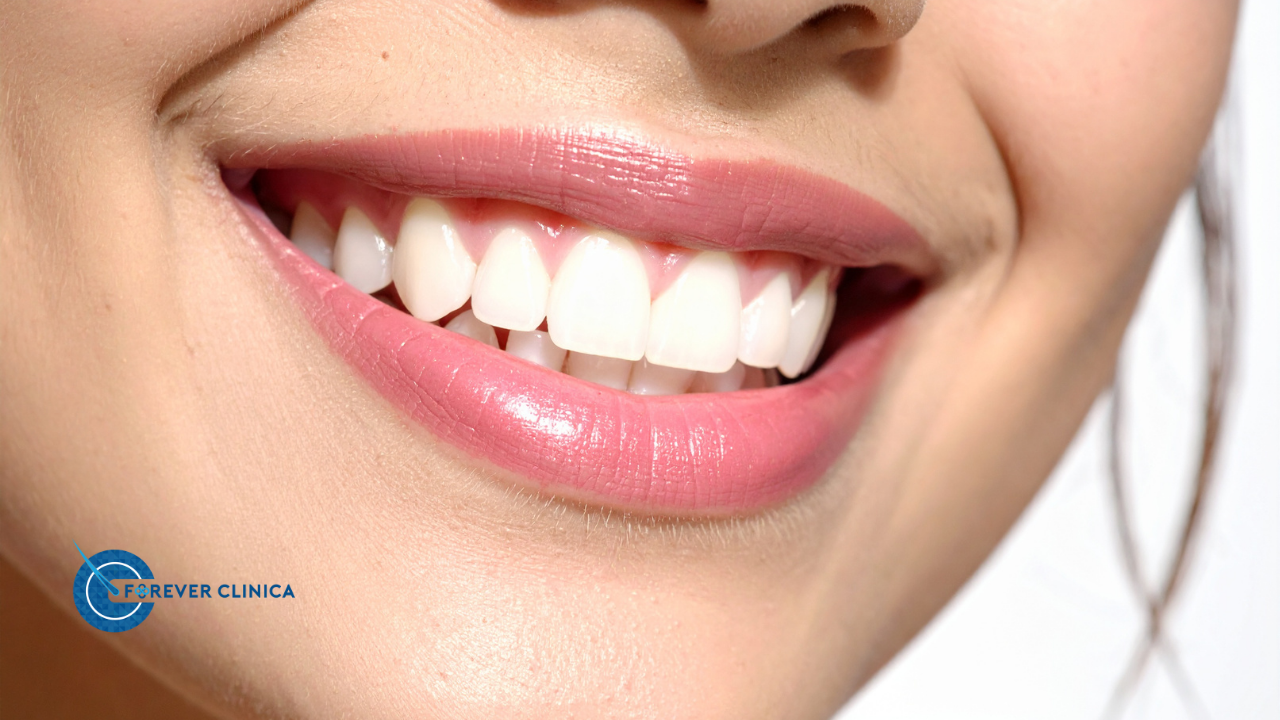
How is a Hollywood Smile Design done?

Smiling is the only language in the world that requires no translation. However, sometimes the reflection in the mirror doesn’t quite match the energy in your soul. Perhaps you are unhappy with the color of your teeth, or maybe their irregular shape prevents you from laughing freely. This is where the most prestigious intersection of modern dentistry and aesthetics comes into play: Hollywood Smile Design.

A Hollywood Smile is not just a teeth-whitening process. It is the reconstruction of your dental structure—much like a bespoke suit—designed to harmonize perfectly with your facial geometry, personality, and skin tone. At Forever Clinica, during the designs we facilitate in the heart of Istanbul, we have seen one undeniable truth: a proper smile design doesn’t just change your teeth; it transforms your entire countenance and self-confidence. Let’s explore this fascinating process where digital technology meets art, from the rules of the “Golden Ratio” to the digital mock-up.


Hollywood Smile

What is Hollywood Smile Design? A Smile as an Art Form

Smile design is the planning of the relationship between the teeth, gums, and lips to meet a patient’s aesthetic and functional needs. Named after the flawless, bright, and symmetrical smiles of Hollywood stars, this application has become an accessible luxury for everyone today, thanks to digital dentistry.

In this design, the goal is not just to obtain “white teeth” but to create a structure that best suits the person’s facial features, looks natural, and preserves functional chewing capacity. The design process requires as much meticulous preparation as an architect drawing a building or a painter working on a portrait.


Personalized Design Parameters: Your Smile, Your Rules

The biggest difference that distinguishes Hollywood Smile from “ordinary dental treatment” is the personalization of the design. No two people have the same facial features; therefore, making the same shape of teeth for everyone would be an aesthetic error. During the design process, the tooth form is determined according to these four main parameters:

1. Tooth Form According to Face Shape

The length, width, and angle of the corners of the teeth should balance your facial character by creating a contrast or harmony with your face shape.

  • Oval Face Shape: Generally considered the most balanced face shape. While almost any tooth form suits this face type, slightly curved and cornerless tooth forms are preferred to maintain the soft lines of the face.

  • Square Face Shape: Characterized by a strong jawline and a wide forehead. To make a square face look softer and more feminine (or less harsh), the tooth corners need to have more rounded lines.

  • Round Face Shape: To make the face look thinner and longer, thinner and longer tooth forms are designed. Short and square teeth can make the face look even rounder.

  • Heart (Triangular) Face Shape: To balance the sharpness of the jawline, it is recommended that the upper tooth forms be neither too angular nor too curved, but in a middle-balanced form.

2. Lip Structure and the Smile Line

When designing a smile, the thickness of the lips, how much they lift during smiling, and the harmony of the “smile line” (the imaginary line connecting the edges of the upper teeth with the curve of the lower lip) are examined.

  • The Smile Line: The imaginary line connecting the incisal edges of the upper teeth should be parallel to the inner curve of the lower lip. This parallelism adds youth and dynamism to the smile.

  • Lip Support: The volume of the teeth can support the lips from the inside, making them appear fuller. Especially as one ages, fine lines around the lips can be minimized with a correct dental design.

3. Skin Tone and Tooth Whiteness Balance

While “stark white” teeth come to mind when thinking of a Hollywood Smile, the shade of this whiteness (Bleach tones) should be selected according to the person’s skin tone.

  • Fair-Skinned Individuals: Very bright and cold-toned whites (BL1, BL2) can look natural on these people.

  • Dark and Olive-Skinned Individuals: Extremely bright whites can look artificial. In this skin group, colors with slightly warm undertones but high brightness, which we call “natural whiteness,” provide a much more elegant result. The goal is not for the teeth to “scream” but to look like a part of you.

4. Pink Aesthetics (Gum Aesthetics)

A perfect smile is not just about teeth; the appearance of the gums, called “pink aesthetics,” is also vital. A “Gummy Smile” (where gums show too much when laughing) or asymmetries in gum levels are corrected in seconds with laser technology.


The Digital Smile Design (DSD) Process: See the Result Before the Start

The greatest comfort offered by technology is Digital Smile Design (DSD) software. Our patients no longer have to fear, “How will I look?” The process generally works as follows:

  1. Photography and 3D Scanning: High-resolution photos of the patient are taken, and a digital copy (model) of the teeth is created using intraoral scanners.

  2. Digital Simulation: The patient’s facial proportions are analyzed on special software. The length, width, and gum levels of the teeth are designed millimetrically in the digital environment.

  3. Mock-up (Prototype) Application: The design prepared digitally is converted into a temporary material via 3D printers and applied to the patient’s mouth. Before any permanent procedure is done, the patient sees a physical copy of their new smile in their own mouth, speaks, and looks in the mirror.

  4. Approval and Application: Once the patient approves the design, the porcelain laminate (veneers) or zirconium crown process begins.


Techniques Used: Laminates or Zirconium?

Different materials are used to achieve a Hollywood Smile. At Forever Clinica, we choose the right material based on the patient’s needs:

  • Porcelain Laminate (Veneers): These are leaf-thin porcelains bonded to the front surface of the tooth with very little (sometimes zero) abrasion. Their light transmittance is very high, providing the most natural result.

  • E-max Veneers: Aesthetic porcelains with glass-ceramic content and increased durability. They meet aesthetic expectations, especially in the front teeth, at the highest level.

  • Zirconium-Supported Porcelain: If there are large fillings or missing teeth, zirconium crowns, which are both durable and aesthetic, are preferred.


Smile Design in Istanbul: Why Turkey?

Every year, thousands of patients from all over the world, especially from Europe, the USA, and the Middle East, head to Istanbul, Turkey, for smile design. Why has Istanbul become a world brand in aesthetic dentistry?

  • Surgical and Aesthetic Experience: Turkish dentists are among the most experienced in the world due to the sheer diversity of cases.

  • Advanced Technology: Clinics in Istanbul use the most advanced digital scanning and design devices in the world.

  • Balance of Speed and Quality: Usually, a full Hollywood Smile design can be completed within 5 to 7 days (during a holiday).

  • Holistic Experience: At Forever Clinica, we plan this process not just as a treatment but as a transformational vacation. We offer VIP transfers, luxury accommodation, and a recovery period spent in the historical atmosphere of Istanbul.


Frequently Asked Questions (FAQ)

1. Will my teeth be filed down a lot for a Hollywood Smile? With modern techniques (especially for laminate veneers), only 0.3 to 0.7 mm of abrasion is made from your teeth. In some cases, with the “No-Prep” technique, a design can be made without touching the teeth at all.

2. How long is the treatment period? Including digital design and the laboratory phase of the porcelains, you can get your new smile in usually 5 to 7 days.

3. Will the new teeth turn yellow over time? Unlike natural tooth structure, the porcelain materials used (E-max or Zirconium) are not affected by external factors like tea, coffee, or smoking and do not change color.

4. Is smile design a painful procedure? No. You will not feel any pain during procedures performed under local anesthesia. Afterward, there may be slight sensitivity, but this disappears within a few days.

5. How long does a Hollywood Smile last? With proper oral care and regular check-ups, these designs can be used without problems for 15–20 years.


Conclusion: Don’t Leave Your Smile to Chance

Hollywood Smile Design is not just an aesthetic application; it is a promise you make to yourself. That smile, which makes you happy when you look in the mirror, refreshes your self-confidence, and reveals the full beauty of your face, is actually a digital work of art.

If you want to achieve the smile of your dreams with Forever Clinica’s expertise and the most advanced digital technologies in the unique atmosphere of Istanbul, we are here for you. Your smile is your greatest power to help you change the world. Entrust it to expert hands.


ℹ️ Results may vary from person to person for every surgical or interventional procedure. It is recommended that you obtain detailed information from your physician before the procedure.