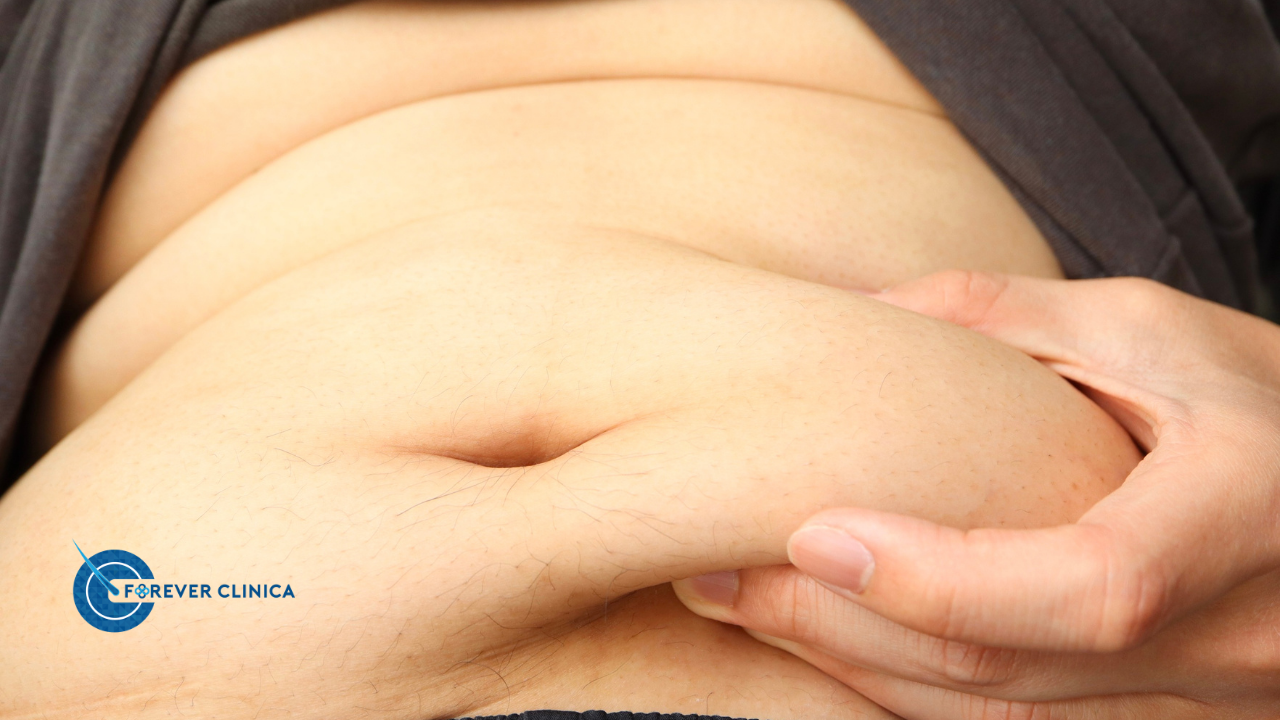
Have you ever looked in the mirror every morning and felt that the person in the reflection isn’t truly you, but rather someone trapped under a heavy burden? Weight loss is more than just an aesthetic concern or an attempt to fit into certain clothes; it is a struggle to liberate your body. Diet lists, endless cardio sessions, miracle cures that claim to solve everything… If you have tried all of these and still feel stuck in that “vicious cycle,” it is time to talk about one of the most powerful tools modern medicine offers: Sleeve Gastrectomy (Gastric Sleeve) Surgery.
At Forever Clinica, in the heart of Istanbul, we see a clear reality every day while touching the lives of dozens of people: gastric sleeve surgery is not a destination, but the starting whistle for the second act of your life. However, before making this big decision, you need to understand whether this method is the right key for you. Who can pass through this door, for whom is this path closed, and how important is age really? Let’s examine the answers to these questions in detail under the light of science.
What is Sleeve Gastrectomy Surgery? (An Engineering Marvel)
Sleeve Gastrectomy, medically known as Sleeve Gastrectomy, is a surgical procedure in which approximately 80% of your stomach is removed. The remaining stomach is shaped roughly like a banana or a thin tube. However, this process does not just reduce the volume of the stomach; it also reprograms the hormonal balance in your body.
Ghrelin, known as the “hunger hormone” produced in the removed part of the stomach, drops to minimum levels after surgery. What does this mean? You no longer lose weight just because you eat less, but also because you feel less hungry. This is the greatest technological support given to you to win the war against your own willpower. It essentially resets your metabolic clock, allowing you to build a new relationship with food without the constant biological urge to overeat.
The Gold Standard: What is Body Mass Index (BMI)?
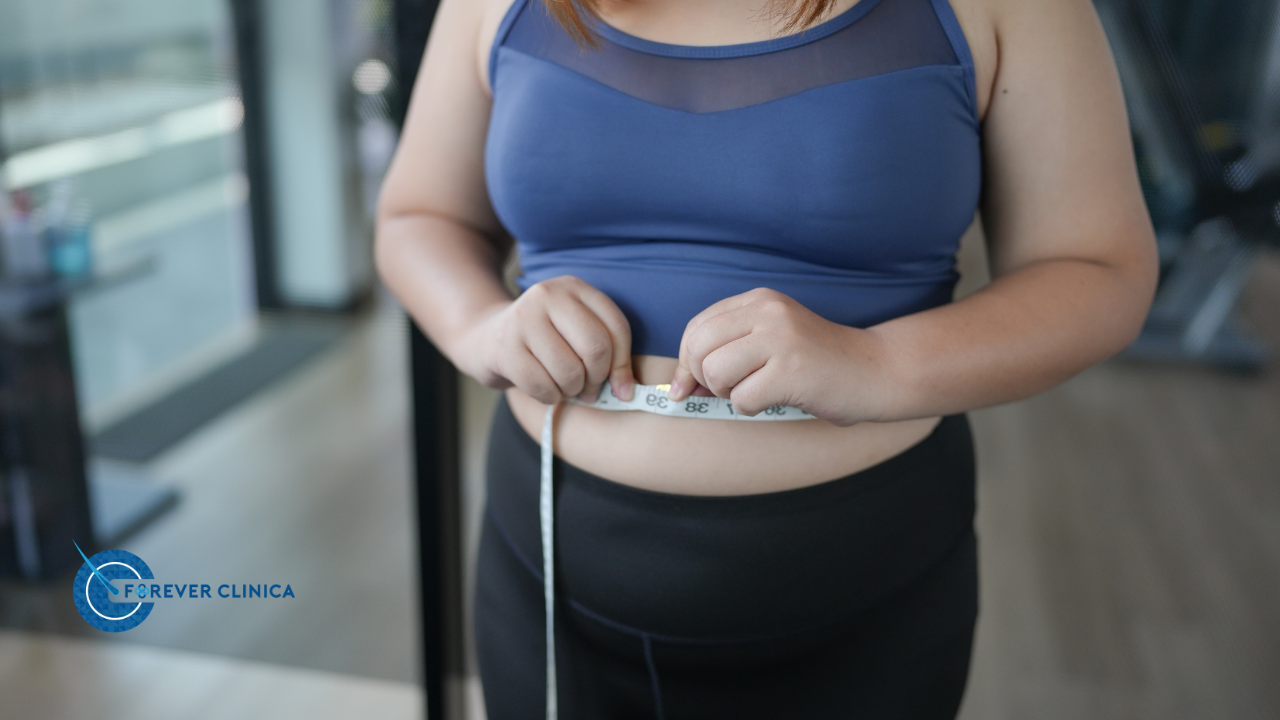
The first and most concrete data that determines whether a person is suitable for gastric sleeve surgery is the Body Mass Index (BMI). This calculation, accepted by the World Health Organization (WHO), is obtained by dividing your weight by the square of your height.
How to Calculate BMI?
The formula is: $BMI = \frac{\text{Weight (kg)}}{\text{Height (m)} \times \text{Height (m)}}$
For example, if you weigh 120 kg and are 1.70 m tall:
$1.70 \times 1.70 = 2.89$
$120 / 2.89 = 41.5$ (This value falls into the morbid obesity class.)
This number is the primary gatekeeper for bariatric surgery eligibility, but it is not the only factor. We look at your body as a whole system, considering your muscle mass, fat distribution, and metabolic health.
Who is Suitable for Sleeve Gastrectomy Surgery?
Can every overweight individual have gastric sleeve surgery? Of course not. This is a surgical intervention and certain criteria must be met. According to international surgical guidelines, the requirements for candidacy are as follows:
1. Those with a BMI of 40 and Above (Morbid Obesity)
If your BMI is over 40, you are considered a candidate for gastric sleeve surgery regardless of whether you have an additional disease. This is because obesity at this level is a serious health problem that shortens life expectancy on its own. It puts immense pressure on your heart, lungs, and joints every single second.
2. Those with a BMI Between 35 – 40 and with Comorbidities
Even if your BMI is not 40, surgery is recommended if you have co-morbidities that make your life difficult due to obesity. These diseases include:
Type 2 Diabetes (Sugar Disease)
Hypertension (High Blood Pressure)
Sleep Apnea (Cessation of breathing during sleep)
Serious Joint Problems
Fatty Liver Disease
High Cholesterol levels that cannot be controlled by medication
3. People Who Have Tried Other Methods to Lose Weight and Failed
Surgery should always be considered a final step. If you have not been able to achieve permanent weight loss despite dieting and exercising under expert supervision for at least 6 months, surgical options are put on the table. We look for patients who are committed to making a permanent change but need a biological “boost” to get there.
Who Cannot Have Sleeve Gastrectomy Surgery? (Critical Barriers)
As with any medical operation, there are some “absolute no” (contraindication) situations for gastric sleeve surgery. At Forever Clinica, we keep safety above everything else. Surgery is not planned in the following cases:
Untreated Psychiatric Illnesses: It may be impossible to manage the post-operative process in individuals with severe depression, schizophrenia, or personality disorders.
Eating Disorders (such as Bulimia): If the person has a psychological problem where they cannot control their eating urge, surgery may offer a physical solution but result in mental failure.
Substance and Alcohol Addiction: Alcohol and substance use both increase surgical risks and lead to absorption problems after surgery.
Serious Health Problems Preventing Anesthesia: Patients whose heart or lung capacity is too low to handle general anesthesia.
Those Planning Pregnancy in the Near Future: Pregnancy is not recommended for at least 1-1.5 years after surgery for the body to settle into balance.
Age Limits: What is the Situation for Young People and the Elderly?
The traditional age limit for surgery is usually between 18 and 65. However, modern medicine can stretch these limits within the framework of “biological age” and “need.”
Minors (Under 18): If childhood obesity is stopping the child’s development and seriously threatening their health, this surgery can be performed from the age of 15 with the approval of a special board (pediatrician, psychologist, surgeon).
Over 65 Years Old: Being advanced in age is not an obstacle to surgery; however, the patient’s heart, lungs, and general condition are examined much more meticulously. If the benefit of the surgery (for example, ending joint pain) exceeds the surgical risks, the operation is performed.
A Life Transformation in Istanbul: Why Forever Clinica?
Obesity surgery is not just about cutting and removing the stomach; it is a process of follow-up and support that starts from that moment. Istanbul, Turkey, has become one of the most reliable and experienced centers in the world for obesity surgery. But why?
First, clinical experience. Our surgeons in Istanbul see ten times as many cases as their colleagues in Europe or America, bringing their hand skills to the top. At Forever Clinica, we combine this experience with VIP comfort. Private transfers from the airport, luxury accommodation, and most importantly; the support of a dietitian and coordinator who is with you even after you leave the hospital.
Getting your health back in the fascinating atmosphere of Istanbul is not just a medical procedure; it is a spiritual refreshment. While taking the first steps of your new life in the cool breeze of the Bosphorus, you experience the peace of knowing that a professional team is behind you 24/7.
Pre-Operative Preparation Process: What Awaits You?
After the decision for surgery is made, you go through a series of “check-up” processes in our clinic. This process is to bring the safety of the surgery to a level close to 100%:
Blood Tests: Your hormonal status and vitamin levels are checked.
Endoscopy: The inside of the stomach is examined; it is checked whether there is a wound, polyp, or a condition that prevents surgery.
Cardiology and Chest Diseases Examination: It is confirmed whether your heart and lungs are ready for the operation.
Psychologist and Dietitian Interview: Are you mentally ready for your new life?
Frequently Asked Questions (FAQ)
1. Is weight regained after gastric sleeve surgery?
Gastric sleeve surgery opens a huge door for you to lose weight. However, it is up to you to walk through this door and build a new lifestyle. If you return to your old eating habits (high-calorie liquids, constant snacking, etc.), your stomach may expand a bit over time and weight gain may occur. However, 90% of our patients achieve permanent success.
2. Will there be a surgical scar?
The operation is performed with the laparoscopic (closed) method. It is done through 4-5 small holes in the abdominal area ranging between 0.5 and 1 cm. These scars disappear almost completely over time.
3. How long will the liquid diet last after the surgery?
There is a liquid period for the first 15 days and a puree period for the next 15 days. At the end of the 1st month, solid foods are gradually introduced.
4. Will there be sagging?
Due to rapid weight loss, sagging may be seen depending on the elasticity of the skin. However, this situation can be minimized with the right sports and protein supplements. If necessary, aesthetic touches can be made 1.5 – 2 years after the operation.
5. Do I have to use vitamins?
Since the stomach shrinks and absorption changes slightly, regular vitamin and mineral support is vital, especially in the first year.
Conclusion: The Choice is Yours, the Path is Ours
Obesity is not a fate. Every moment you say “I can’t lose weight” is actually a moment when you haven’t found the right key yet. Gastric sleeve surgery is one of the biggest investments you can make for your health. With this surgery, you don’t just get rid of your weight; you also get rid of your blood pressure medications, your sugar injections, and the sleep apnea that takes your breath away at night.
“Bariatric surgery is not just an intervention on the body; it is a gift of freedom to the soul.”
At Forever Clinica, we are here to be with you every step of the way in the heart of Istanbul. Are you ready to take a step for a new life, a healthier body, and that happy reflection in the mirror?
ℹ️ Results may vary from person to person for every surgical or interventional procedure. It is recommended that you obtain detailed information from your physician before the procedure.