What is a Mentor Breast Implant? Mentor Breast Implant Types

In the history of aesthetics, breasts have long been a symbol of femininity, self-confidence, and grace. However, life—through aging, breastfeeding, weight changes, or simply genetics—often alters the shape we once loved. When you look in the mirror, you want to see a reflection that matches how you feel inside: vibrant, confident, and beautiful. This is where Mentor Breast Implants enter the story, offering a bridge between the body you have and the silhouette you desire.

Choosing to undergo breast augmentation is a deeply personal journey. At Forever Clinica, during the thousands of procedures we facilitate in the heart of Istanbul, we have seen a recurring truth: the right implant doesn’t just change a woman’s body; it changes the way she walks into a room. But why do millions of women and the world’s leading surgeons consistently choose the “Mentor” brand? Let’s dive deep into why these implants are considered the gold standard of the industry.


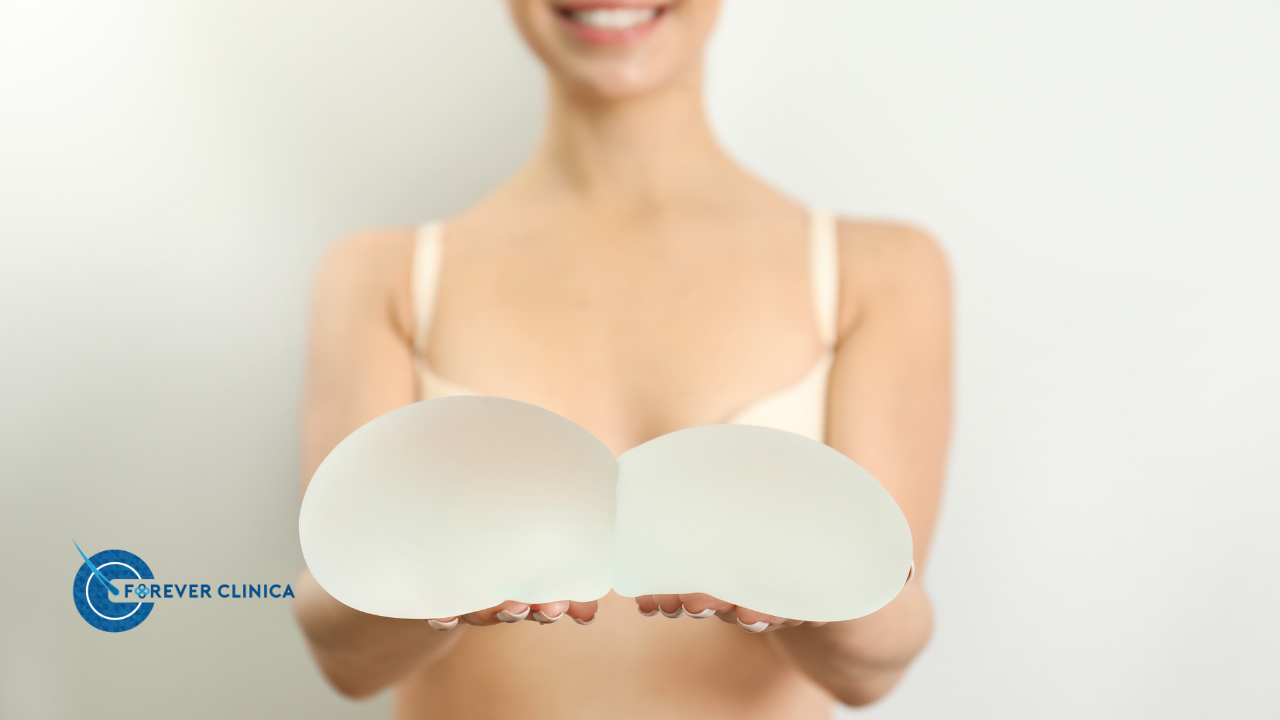
Mentor Breast Implant

What Exactly is a Mentor Breast Implant?

When we talk about breast augmentation, Mentor is usually the first name mentioned in professional circles. A subsidiary of Johnson & Johnson, Mentor has over 30 years of medical history. It isn’t just a brand; it’s a hallmark of safety.

What sets it apart from the rest? The answer is as simple as it is vital: FDA (U.S. Food and Drug Administration) Approval. The FDA is one of the world’s strictest health authorities. Having their stamp of approval means Mentor implants have been rigorously tested for durability, safety, and biocompatibility. These aren’t just “silicone bags”; they are high-engineering medical miracles designed to exist harmoniously within the human body.


The Secret to a Natural Feel: MemoryGel™ Technology

One of the biggest concerns women have is whether their breasts will look or feel “fake.” Mentor addresses this through their patented MemoryGel™ technology.

Imagine a substance that holds its shape but reacts like natural tissue when you move. That is the cohesive gel inside a Mentor implant. We often use the analogy of a jelly: even if the implant shell were to be cut (which is extremely difficult), the gel stays together. It doesn’t leak or migrate. This “cohesiveness” provides a safety net for the patient and significantly reduces the risk of “rippling”—those unwanted visible waves on the skin surface.


Exploring the Variety: Mentor Breast Implant Types

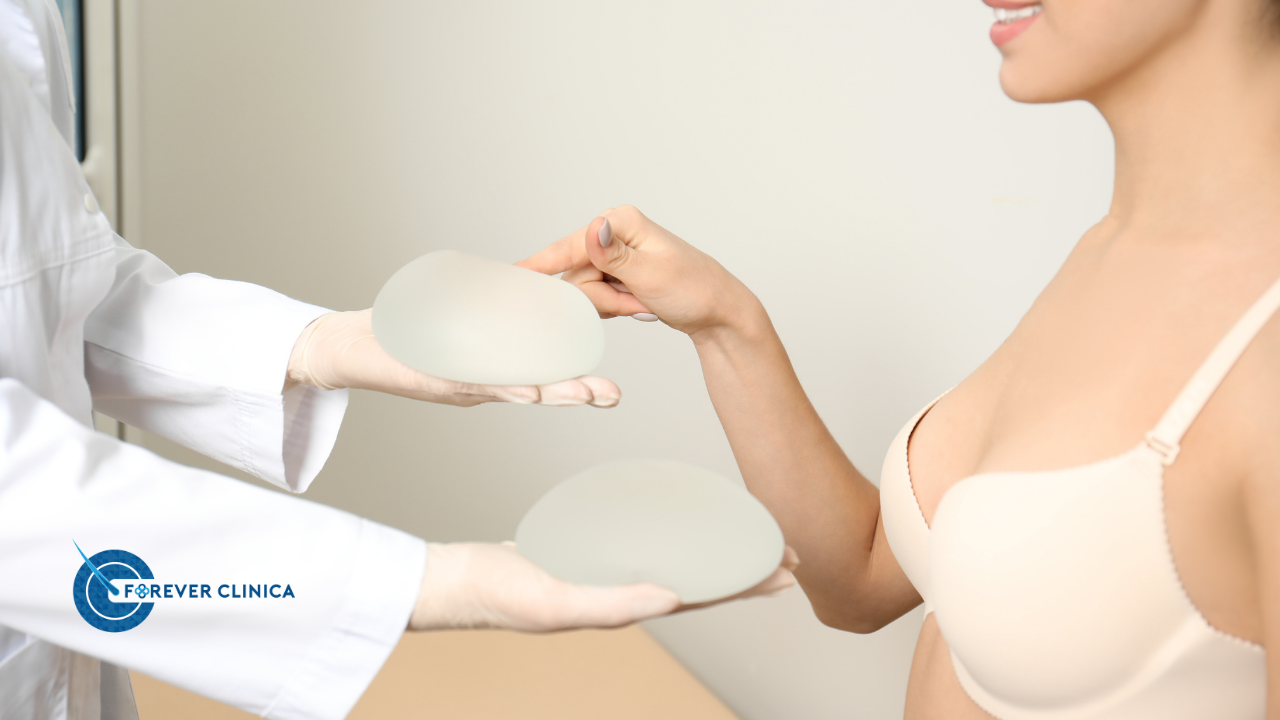
Breast augmentation is not a “one size fits all” procedure. Every woman has a different chest wall width, existing breast tissue, and aesthetic goal. To meet this diversity, Mentor provides a vast spectrum of options.

Choosing Your Shape: Round vs. Anatomical

The shape of the implant defines the final look of your silhouette.

  • Round Implants: These are the most popular choice globally. They provide fullness particularly in the upper part of the breast (the cleavage area). They move naturally with the body and provide symmetry from every angle.

  • Anatomical Implants (Teardrop Shape): These are designed to mimic the natural anatomy of the breast—thinner at the top and fuller at the bottom. They are ideal for women who want a subtle transition and a result that looks so natural, nobody would guess surgery took place.

The Science of Feel: Cohesive I, II, and III

Mentor offers three levels of gel firmness to customize the “feel” of your results:

  • Cohesive I: The softest gel. It offers the most natural, supple feel, mimicking the texture of real breast tissue.

  • Cohesive II: Slightly firmer, providing more structural support for those who want a more defined shape.

  • Cohesive III: The firmest gel, typically used in teardrop (MemoryShape™) implants to ensure they maintain their specific anatomical form over time.

The Importance of Profile (Projection)

The “CC” (volume) is only half the story. The profile—how far the breast sticks out from the chest—is just as important. Mentor offers five distinct profiles:

  1. Low Profile: Wide and flat with minimal projection.

  2. Moderate Profile: A balanced, classic look.

  3. Moderate Plus Profile: One of our most popular choices, providing noticeable lift and presence.

  4. High Profile: Ideal for women with narrow chest walls who want significant volume.

  5. Ultra High Profile: For those seeking maximum projection and a bold aesthetic.


Surface Texture: Smooth or Siltex™?

The outer shell of the implant also plays a role in how the body interacts with it.

  • Smooth Surface: These have a softer feel and allow the implant to move more freely within the breast pocket, creating a very natural movement.

  • Textured Surface (Siltex™): This surface helps the implant “grip” the surrounding tissue. This is particularly crucial for teardrop implants, as it prevents them from rotating or shifting out of place.


Your Aesthetic Journey in Istanbul: Why Forever Clinica?

Why do thousands of women from the UK, Europe, and the Middle East travel to Istanbul, Turkey for breast surgery? The answer lies at the intersection of expertise, technology, and luxury.

Istanbul has evolved into the “Aesthetic Capital of the World.” At Forever Clinica, we understand the weight of this reputation. We work exclusively with top-tier brands like Mentor because we believe in quality that lasts a lifetime. Choosing Turkey for your surgery isn’t just about the procedure; it’s about the experience.

From our VIP transfers and luxury hotel accommodations to the meticulous follow-up care provided by our English-speaking staff, we turn a medical procedure into a journey of self-renewal. Recovering with a view of the Bosphorus, knowing you are in the hands of surgeons who perform thousands of these cases a year, provides a peace of mind that is priceless.


The Recovery Process: What to Expect

Modern surgical techniques combined with the high biocompatibility of Mentor implants have made recovery faster than ever.

  • The First Few Days: You will feel some pressure and tightness. We provide a special medical bra that you’ll wear to support your new shape.

  • The First Week: Most patients are back to light social activities. If you have a desk job, you can usually return to work within 7 to 10 days.

  • The First Month: Swelling subsides significantly. Your breasts will begin to soften and drop into their final, natural position.

  • The Six-Month Mark: The implants have fully integrated with your tissue, and you are ready to enjoy your results to the fullest.


Safety and the Mentor Promise

When you choose Mentor, you are essentially getting an insurance policy for your body. The Mentor Promise Protection Plan is one of the most comprehensive warranties in the industry. It offers a lifetime replacement for the implant in the rare event of a product-related issue and coverage for complications like capsular contracture.

At Forever Clinica, we take pride in being a link in this chain of trust. We want our patients to feel secure not just for the first year, but for the next twenty.


Frequently Asked Questions (FAQ)

1. Can Mentor implants “burst” or leak? Mentor implants have an incredibly strong outer shell. They are designed to withstand high pressure—daily activities, flying in an airplane, or intense sports will not cause a leak. Even in the rare event of a severe injury, the cohesive gel stays together and does not flow into the body.

2. Will I still be able to breastfeed? Yes. When the implant is placed (whether under the muscle or through a dual-plane technique), the milk ducts are usually left untouched. Most women with Mentor implants can safely breastfeed their children.

3. How long do these implants last? While older advice suggested replacing implants every 10 years, Mentor implants are designed for longevity. As long as there are no complications (and they come with a lifetime warranty), there is no medical requirement to remove or replace them.

4. Will I lose sensation in my breasts? Temporary changes in sensation (either numbness or hypersensitivity) are normal during healing. For the vast majority of patients, full sensation returns within six months.

5. Will the implants look obvious to others? Not if the right size and profile are chosen. By working with the experts at Forever Clinica, we help you select an implant that harmonizes with your natural frame, ensuring that you look like a more enhanced version of yourself, not a different person entirely.


Conclusion: Your Best Self is Within Reach

Choosing a breast implant is about more than just a number on a box; it is the story of a tissue you will carry with you for the rest of your life. With the world-renowned quality of Mentor and the medical excellence of Forever Clinica in Istanbul, your dream silhouette is closer than you think.

Every woman is unique, and every body deserves a bespoke approach. If you are ready to entrust your transformation to expert hands and embark on a safe, luxurious aesthetic journey in Turkey, we are here to guide you every step of the way.


ℹ️ The information provided here is for general educational purposes. To determine the best implant and technique for your body, a personal consultation with a qualified surgeon is essential.

What is a Facelift Surgery?

We all look in the mirror every day. Sometimes it’s just to brush our hair, shave, or apply makeup. But occasionally, we might feel like we’re looking at a stranger. That “tired” expression left by the years often fails to reflect who we truly are inside. When you start asking, “I still feel like I’m in my 30s, so why does this reflection look like it’s in its 50s?” your story is actually just beginning.

Facelift surgery, or rhytidectomy, is not merely about pulling sagging skin tight; it’s about retuning the rhythm of time on your face. At Forever Clinica, with every operation we perform in the heart of Istanbul, we witness a profound truth: people don’t just want to look younger—they want to be friends with that person in the mirror again. Let’s explore the medical, aesthetic, and human details of this journey together.


Facelift Surgery

What Exactly is Facelift Surgery? An Architectural Perspective

Think of a facelift as a home renovation. If you only repaint the walls, it’s a short-term fix. But if you strengthen the foundation, update the plumbing, and fix the building’s skeleton, that house will stand as firm as the day it was built for decades to come.

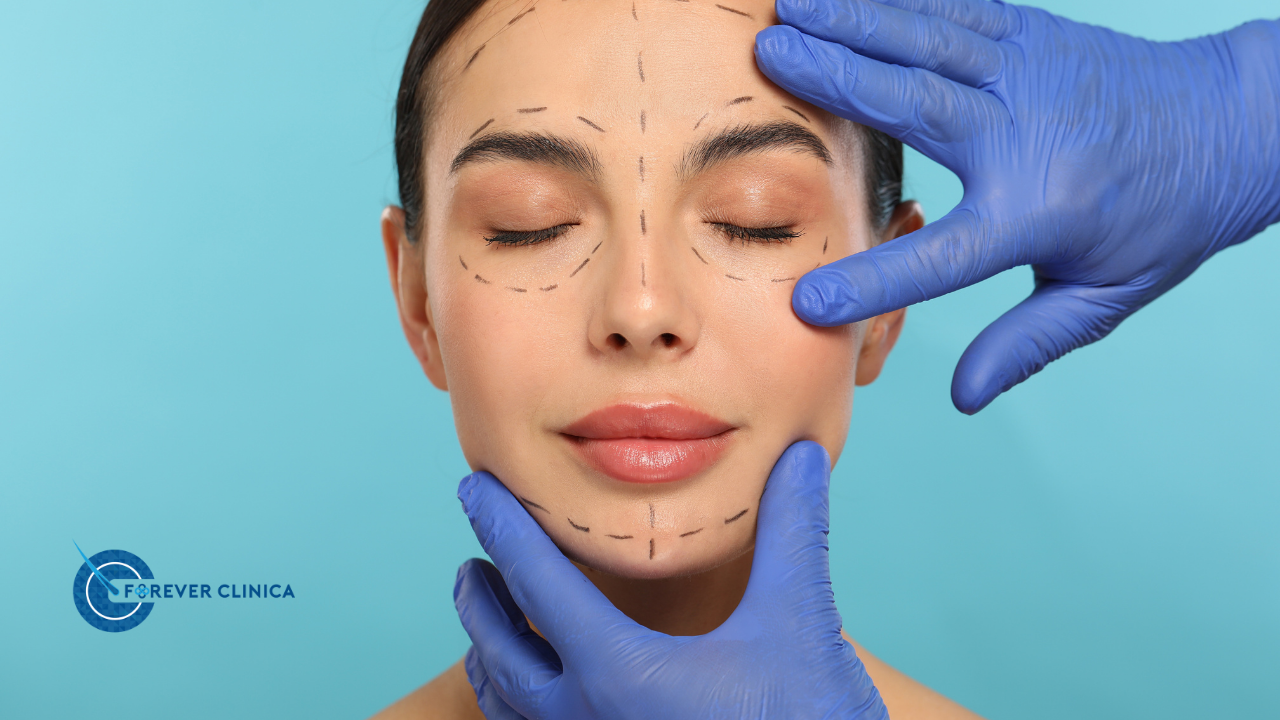
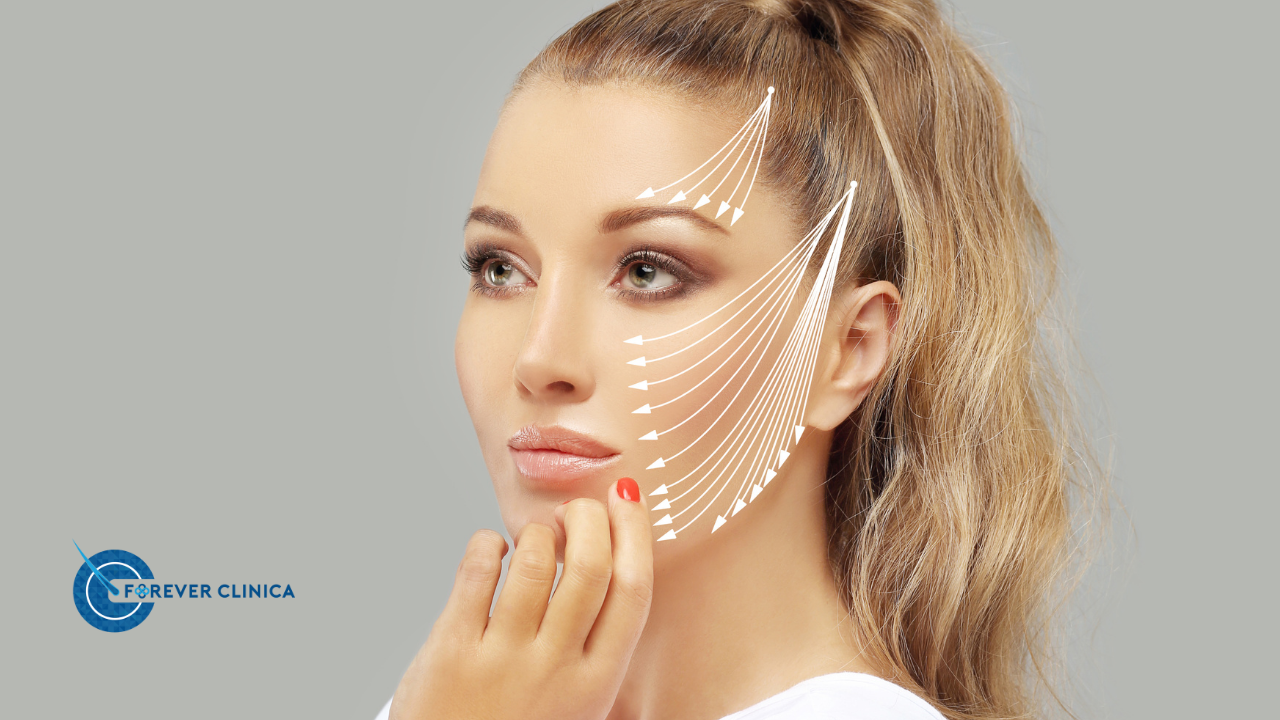
In medical terms, a facelift is the surgical removal of signs of aging in the face and neck area. However, modern surgery goes far beyond the skin. Our primary focus is the SMAS (Superficial Musculoaponeurotic System) layer. This layer is the architectural scaffold of your face. Facelift surgery is the art of moving this sagging scaffold back to its original position and redraping the skin over it, removing any excess.

Why don’t we just pull the skin? If you only pull the skin, you get that infamous “wind tunnel” look—artificial, tight, and unnatural. At Forever Clinica, our goal is to achieve results so natural that no one suspects surgery; they’ll simply say, “You look amazing, have you been on vacation?”


Why Does Our Face Sag? The Physiology of Time

This process isn’t just about gravity. Facial aging happens in three main stages:

  1. Volume Loss: The plump fat pads in the cheeks and temples diminish or shift downward with age.

  2. Tissue Laxity: Collagen and elastin production slows down, causing the skin to lose its “snap.”

  3. Bone Resorption: Believe it or not, even our facial bones lose some volume over time, providing less support for the tissues above.

When these changes combine, the jawline becomes blurred, the neck begins to sag (often called a “turkey neck”), and the lines around the mouth (nasolabial folds) deepen. This is where a facelift steps in to turn back the clock.


Facelift Techniques: Which One is Right for You?

Every face tells a different story. Applying the same technique to everyone would be like trying to fit everyone into the same off-the-rack dress. At Forever Clinica, we provide “tailor-made” planning.

  • Classic (Full) Facelift: The most comprehensive method for those with significant sagging in the cheeks, jawline, and neck.

  • Mini Facelift (MACS Lift): A procedure with smaller incisions, preferred for our patients—usually in their 40s or 50s—where sagging is milder.

  • Deep Plane Facelift: This is the pinnacle of facial surgery. It involves releasing the SMAS layer entirely and moving it upward at the most natural angle. The recovery is often smoother, and the results are the most long-lasting.

  • Mid-Face Lift: A technique that focuses specifically on the cheek area, erasing that tired look and highlighting the cheekbones.


The Surgical Journey: What to Expect

The decision to have surgery always brings a mix of excitement and a little anxiety. This is perfectly normal. We know questions like “Will I wake up?” or “Will it hurt a lot?” occupy your mind.

Preparation and Anesthesia Our surgeries are performed in fully equipped hospitals under general anesthesia. While you are in a deep and peaceful sleep, we begin our work. The operation time can vary between 3 to 6 hours depending on the technique.

Where Will the Incisions Be? One of the biggest fears is scarring. A professional surgeon knows how to hide their tracks. Incisions are hidden within the natural creases in front of the ear, behind the ear, and within the hairline. Once healing is complete, these marks are nearly impossible to detect.

During the Operation Tissues are moved back to where they belong, muscles are tightened, and the skin is gently draped. After the excess skin is removed, the procedure is completed with microscopic sutures.


An Aesthetic Experience in Istanbul: Why Turkey?

Why do patients from all over the world choose Istanbul, Turkey? The answer isn’t just cost; it’s expertise and artistry. Turkish surgeons are among the most experienced in the world, possessing high case volumes and advanced technical skills.

At Forever Clinica, we combine the enchanting atmosphere of Istanbul with medical excellence. While you breathe in the cool air of the Bosphorus, we plan your health and beauty. Receiving treatment in Istanbul is not just a surgery; it’s a story of renewal blended with luxury accommodation, VIP transfers, and the spirit of the city.


The Recovery Process: Step-by-Step to a New You

It is very natural to have some fullness, edema, and perhaps slight bruising on your face in the first few days. Your body is repairing itself!

  • The First 24 Hours: You stay in the hospital under observation. Small tubes called drains are often used to remove fluids from under the tissues.

  • The First Week: Swelling reaches its peak and then begins to subside rapidly. Usually, 10-14 days are enough to return to social life.

  • The First Month: About 80% of your face will have settled. No one will realize you had surgery; they’ll just notice you look “refreshed.”

  • 6 Months to 1 Year: The final results become clear. Your skin glows, your contours are sharp, and the bond between you and your friend in the mirror is stronger than ever.


Frequently Asked Questions (FAQ)

1. Is a facelift permanent? The surgery turns back the clock by about 10-15 years. The aging process continues, but you will always look better than you would have without it. You’ll essentially look like a younger version of yourself as you age further.

2. At what age should I have a facelift? There is no “perfect” age; there is only a “need.” Someone at 40 with significant sagging and someone at 60 with resilient skin have different requirements. It depends on genetics and skin quality.

3. Will I have a lot of pain after surgery? Surprisingly, no. Facelift operations create a feeling of “tightness” rather than sharp pain. This sensation is easily managed with simple pain relievers.

4. Can thread lifts replace surgery? Let’s be honest; no. Non-surgical methods like thread lifts are great for very mild cases. But if there is actual skin sagging, no thread can deliver the result created by a surgeon’s hands.

5. Will my facial expression change? If the operation is performed by experts using the right technique, your expression won’t change; it will simply be “refreshed.” Your smile and your gaze remain the same—only the traces of fatigue are erased.


An Investment in Your Future: Pamper Yourself

Facelift surgery is more than just a cosmetic procedure; it is a promise you make to yourself. It’s a tangible way of saying, “I value myself and I want to feel good when I look in the mirror.”

As the Forever Clinica family, we are waiting for you in Istanbul. We are here not just for a surgical procedure, but to open the door to a new and more confident period of your life. Are you ready to shake hands with that person in the mirror again?


Remember, this information is for general purposes. Every face is unique, and a specialist examination is essential for the most accurate planning.

What is Nevus Excision? Nevus Excision Treatment

Almost every person has those small brown spots on their body that appear either from birth or over time: moles. In medical terms, we call them nevi. Some are like a characteristic signature on our face, while we might not even notice the presence of others. However, sometimes that small spot stops being just an aesthetic concern and turns into a question mark for both our health and peace of mind. “Why did this mole grow?”, “Why did its color change?”, or “It keeps catching on my clothes; what should I do?” If these questions have started circling in your mind, the solution is clear and reliable: Nevus Excision.

Nevus excision might sound like a complex medical term, but in reality, it is the art of “mole removal.” At Forever Clinica, during the procedures we perform in the heart of Istanbul, Turkey, the most important thing we observe is that an excision performed by the right hands creates not just a physical improvement but also a tremendous psychological relief for the patient.


Nevus Excision

What is Nevus Excision? More Than Just Mole Removal

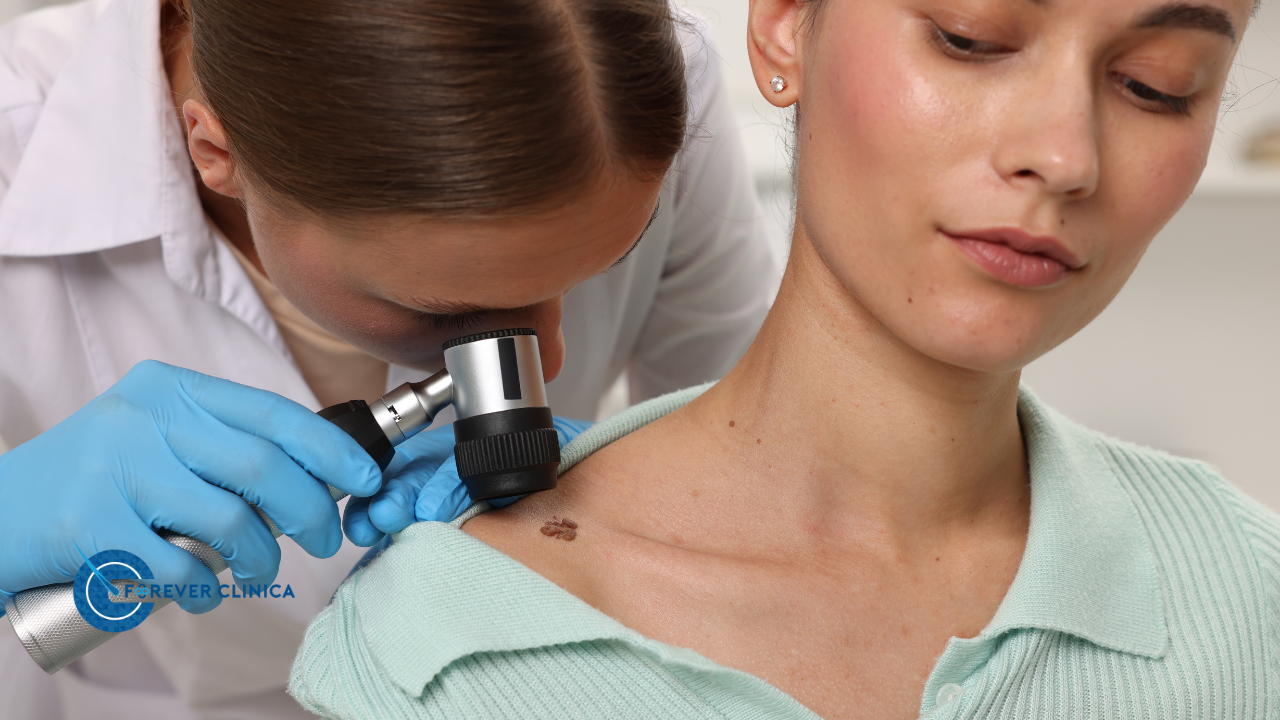
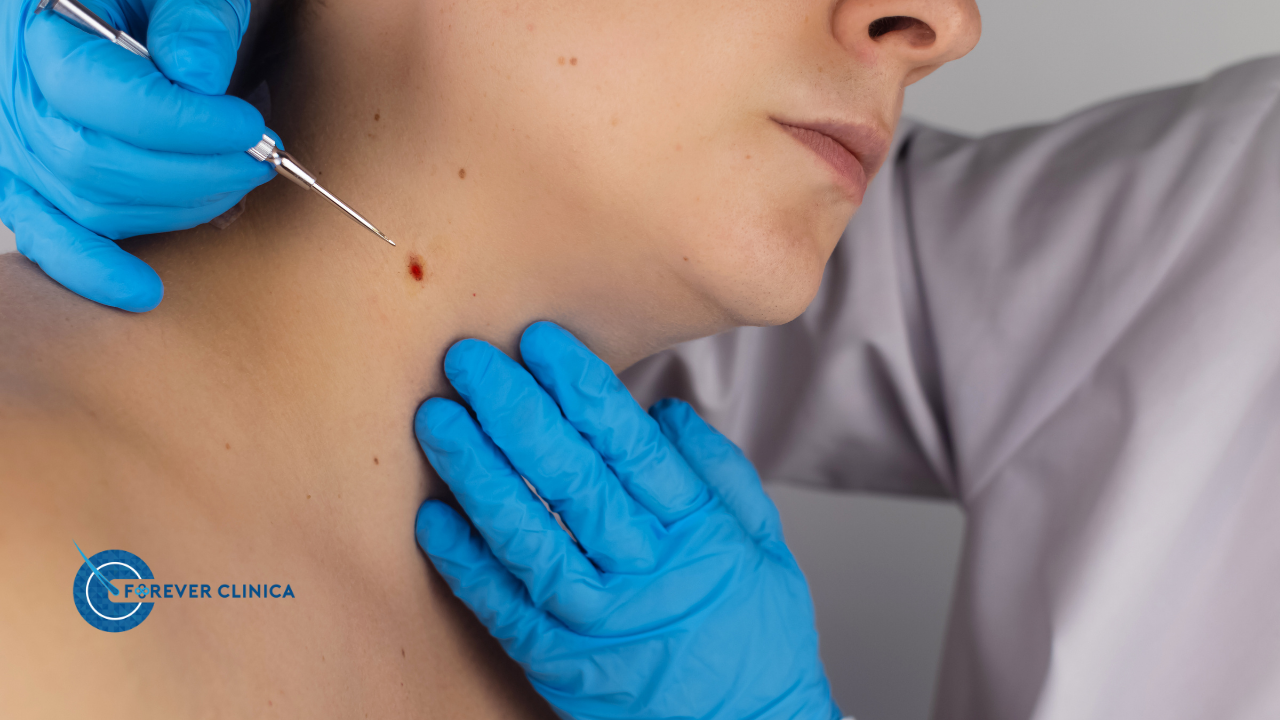
Nevus excision is the process of completely removing a nevus (mole) from the subcutaneous tissue, along with surgical margins. This procedure isn’t just about “taking something away.” Excision is both a therapeutic and a diagnostic process. Once the mole is removed, it is typically sent for pathological examination. This is the most definitive way to understand whether the cellular structure of that mole is entirely benign.

So, how does it differ from laser cauterization or freezing (cryotherapy)? The biggest difference is this: methods like laser destroy the mole tissue, making it impossible to perform a pathological examination. If the mole in question has a suspicious structure, surgical excision is the gold standard. As surgeons and dermatologists, we know very well that it is safer to see and analyze a tissue in its entirety than to lose its cells to destruction.


Why Do We Feel the Need to Have Moles Removed?

The reasons our patients apply to us are generally grouped under two main headings. Which story feels closer to yours?

1. Medical Necessity (Health-Oriented Approach) Sometimes, a mole can quietly send out danger signals. If a mole is growing rapidly, its edges have become irregular, or there is bleeding or itching on it, this is a medical necessity. Excision is vital for the early diagnosis of serious skin diseases such as melanoma.

2. Functional and Aesthetic Reasons Some moles are located right at the beltline, catching on clothes every day and becoming irritated. Or they might be right in the middle of the face, in a position that affects a person’s self-confidence. In these cases, the “mole removal” process turns into an aesthetic touch that increases the quality of life. Especially in a city like Istanbul, where the heart of aesthetics beats, we can eliminate these problems with microscopic techniques where almost no scarring is left.


The Alphabet of Moles: When Should You Worry? (The ABCDE Rule)

There is a simple but effective rule accepted worldwide to understand whether a mole is “innocent.” Ask yourself these questions when examining your own moles, and if your answer is “yes,” you should definitely see a specialist:

  • A (Asymmetry): Does one half of the mole look different from the other half?

  • B (Border): Are the edges of the mole irregular, notched, or blurred?

  • C (Color): Are there multiple colors (black, brown, blue, red) within the mole?

  • D (Diameter): Is the size of the mole larger than 6 mm (about the size of a pencil eraser)?

  • E (Evolving): Has your mole changed in color, shape, or size in recent months?


How is Nevus Excision Surgery Performed? A Safe Step-by-Step Process

Don’t let the word “surgery” scare you. Nevus excision is generally performed under local anesthesia and is an even more comfortable procedure for the patient than a dental filling. How does this process work at Forever Clinica?

Preparation and Numbing The area where the procedure will be performed is cleaned, and local anesthesia is applied with very fine-tipped needles. Only that specific area is numbed; you remain awake but feel absolutely nothing.

The Surgical Cut (Excision) Our doctor makes a very thin, elliptical (spindle-shaped) incision around the mole. Why elliptical instead of round? Because we achieve the most natural and aesthetic scar when closing the skin with elliptical incisions. The mole is removed along with a small amount of fat tissue beneath it.

Suturing and Closing The answer to the “Will there be a scar?” question is hidden here. The skin is joined using “subcuticular” (under the skin) stitching techniques used in aesthetic surgery. Usually, dissolvable stitches are used, so you don’t even have to worry about getting them removed.

Sending to Pathology The removed tissue is placed in a special solution and sent to the laboratory. The report that arrives within a few days provides complete peace of mind.


The Recovery Process: When Can I Return to Normal Life?

When the procedure is finished, you walk out of our clinic with a small bandage. The recovery process after nevus excision is quite fast:

  • The First 24 Hours: It is important to keep the area dry.

  • The 3rd Day: Generally, you can take a shower (with your doctor’s approval).

  • The 1st Week: The wound edges join together, and redness decreases.

  • The 1st Month: The scar turns pink and approaches the skin color over time.

Actually, your biggest enemy during the healing process is the sun. On the sunny days of Istanbul, you must protect the treated area with high-factor sunscreen. Otherwise, the scar may take on a darker color.


Istanbul, Turkey: Why Are We at the Top of Health Tourism?

Thousands of people from all over the world choose Istanbul, Turkey, for nevus excision or more complex aesthetic operations. But why?

First, the manual dexterity and case experience of Turkish doctors are at an indisputable level. In centers like Forever Clinica, we combine the latest surgical technologies with the most comfortable service. Second, while having this procedure done, you also have the opportunity to take a vacation in the fascinating atmosphere of Istanbul. Recovering while breathing the Bosphorus air completely eliminates the stress of the medical process. Moreover, you can receive much higher quality service at a cost far below that in Europe or America.


Common Myths About Nevus Excision

  • “If you have a mole removed, cancer will spread through your body.” This is perhaps the most dangerous urban legend. On the contrary; if a mole carries a cancer risk, leaving it there causes the cancer to spread. Excision is the process of uprooting that danger from the body.

  • “Removing a mole is very painful.” Thanks to local anesthesia, zero pain is felt during the procedure. After the procedure, there may be a slight ache, which easily passes with simple painkillers.

  • “Laser removal is always better.” While laser is sometimes advantageous aesthetically, not every mole can be removed with a laser for health reasons. Every suspicious mole should be surgically removed and examined.


Frequently Asked Questions (FAQ)

1. Will there be a scar after nevus excision? Every surgical procedure will inevitably leave a scar; however, this scar turns into a thin, white line that is very difficult to notice over time. When plastic surgery techniques are used, the scar quality is at its maximum.

2. How long does the procedure take? The excision of a single mole takes approximately 15–20 minutes.

3. When will the pathology result be ready? Usually, your results will be ready between 3 and 7 business days.

4. Will another mole grow in the same place after removal? If the mole was removed with all its roots and depth (which is the goal of excision), a recurrence at the same spot is not expected.

5. Is nevus excision an expensive procedure? No, especially compared to laser or other aesthetic applications, it is quite accessible and offers the highest value in terms of health.


Conclusion: Don’t Delay, Find Peace

If a mole on your body causes you discomfort, if you don’t like how it looks, or if it worries you, there is no need to keep it there as a source of stress. Nevus excision is a scientific and safe solution that relieves you of this burden in 20 minutes.

As Forever Clinica in Istanbul, Turkey, we care not just about your health but also about your smile and self-confidence. You can contact us to meet our professional team and have a detailed analysis of your moles. Remember, early intervention is not just aesthetic; it is life-saving.

What is Capillary Burst? Why Does It Happen?

What Exactly Are Broken Capillaries?

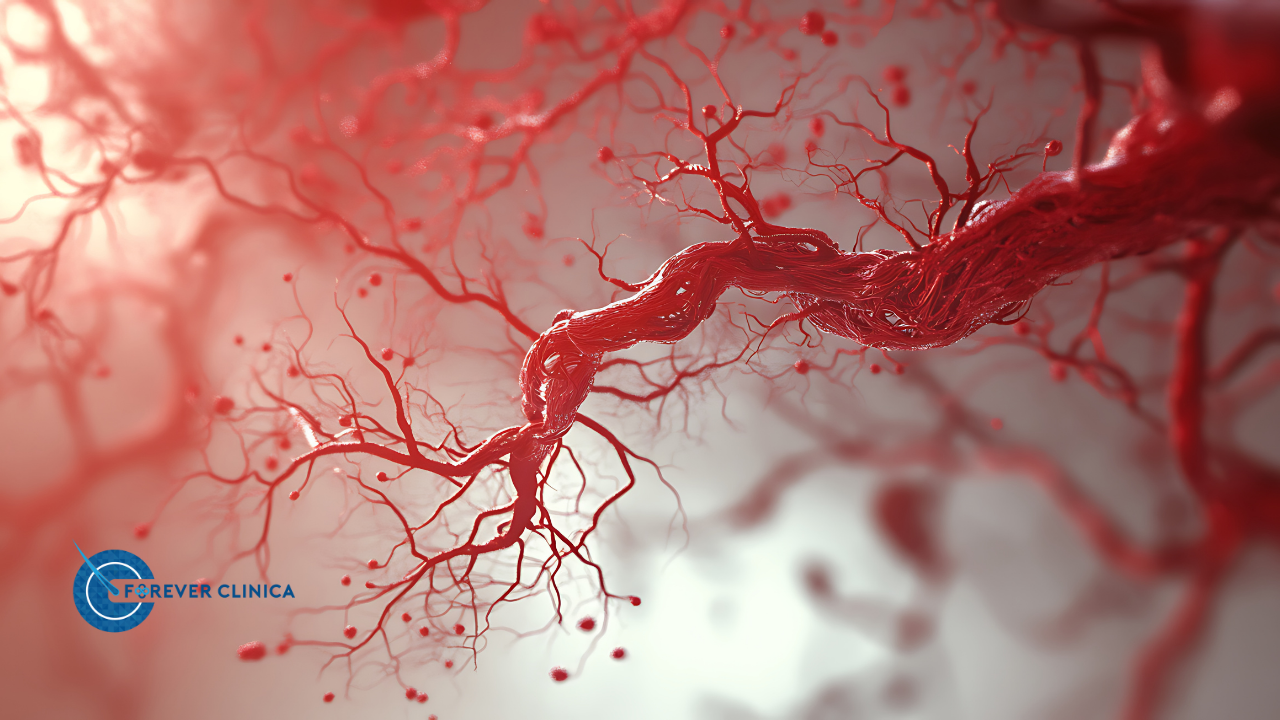
Capillaries are the smallest, most delicate blood vessels in your body. They are located just beneath the surface of the skin and are responsible for delivering oxygen and nutrients to your tissues. Normally, they are so thin that they are invisible to the naked eye. However, when these vessels lose their elasticity, they remain filled with blood and become visible through the outer layer of the skin.

Think of a capillary like a balloon. When you blow up a balloon and let the air out, it usually returns to its original shape. But if you over-inflate it or blow it up too many times, the rubber loses its “snap” and stays stretched out. This is exactly what happens to your capillaries. Once they stay dilated for a long period, they cannot shrink back on their own. This is why professional intervention—an “expert touch”—is necessary to clear them.


Why Do Broken Capillaries Occur?

One of the most frequent questions we hear at our clinic in Istanbul is, “Why me?” There is rarely a single reason; rather, it is usually a combination of several factors that trigger this vascular response:

1. The Genetic Blueprint If your parents or grandparents had visible capillaries or persistent facial redness, there is a high probability you will too. The thickness of your skin and the inherent strength of your vessel walls are traits passed down through generations.

2. Silent Damage from the Sun UV rays are perhaps the biggest enemy of healthy skin. Over time, sun exposure breaks down the collagen and elastin fibers that provide structure to your skin. When this supporting structure weakens, the vessels lose their “casing,” allowing them to expand and become visible. Years of walking outside without high-SPF protection is an open invitation for capillary issues.

3. The Natural Process of Aging As we grow wiser, our skin grows thinner. The thick, plump layer of dermis that once hid our vascular network begins to thin out, making the underlying vessels appear closer to the surface. It is a natural part of life, but one that can be managed with modern aesthetics.

4. Hormonal Fluctuations Hormones play a massive role in vascular health. During pregnancy, puberty, or menopause, the body undergoes significant hormonal shifts. Increased estrogen levels, in particular, are known to relax the walls of the blood vessels, making them more prone to dilation.

5. Rosacea (The “Butterfly” Disease) Rosacea is a chronic skin condition characterized by facial flushing and persistent redness. For those living with rosacea, broken capillaries are one of the most prominent symptoms. In these cases, treatment is not just about aesthetics; it is a medical necessity to manage the condition’s progression.

6. Lifestyle and Environmental Stressors

  • Alcohol Consumption: Alcohol acts as a vasodilator, meaning it causes blood vessels to widen temporarily. Frequent “flushing” from alcohol can eventually lead to permanent dilation.

  • Extreme Temperature Changes: Moving quickly from a hot sauna to a freezing cold pool can shock the vessels.

  • Harsh Skincare: Over-exfoliating or using steroid-based creams for too long can thin the skin and expose capillaries.


Facial Capillaries vs. Body Capillaries: What’s the Difference?

While broken capillaries can appear anywhere, they behave differently depending on where they are located:

  • The Face: Usually found on the sides of the nose, cheeks, and chin. They are often triggered by sun damage or rosacea and are treated with highly precise, gentle lasers.

  • The Legs: Often referred to as “spider veins.” These are frequently related to gravity, long periods of standing, or the early stages of varicose veins. Because the pressure in the legs is higher, the vessels are often thicker and may require different treatments like sclerotherapy.


Advanced Treatment Methods: The Path to Clear Skin

Modern medicine has evolved to the point where no one has to simply “live with” red facial veins. At Forever Clinica’s state-of-the-art center in Istanbul, Turkey, we utilize the most effective technologies to eliminate these concerns.

Laser Therapy (The Gold Standard) Laser is currently the most effective way to treat broken capillaries. The laser light is absorbed by the hemoglobin (the red pigment) in the blood vessel. This energy turns into heat, causing the vessel to collapse and seal shut. Over the following weeks, your body naturally absorbs the closed vessel, leaving the skin clear.

  • ND:YAG Laser: Excellent for deeper, thicker vessels.

  • Pulsed Dye Laser (PDL): The preferred choice for superficial redness and fine “spider” veins on the face.

IPL (Intense Pulsed Light) While not technically a laser, IPL uses a broad spectrum of light to target redness. It is an excellent option for patients who have widespread redness and uneven skin tone rather than just isolated vessels.

Radiofrequency (RF) Treatment In this method, a very fine needle-like tip delivers heat energy directly into the vessel. It is highly effective for pinpoint treatments of very small, specific capillaries.


Why Choose Istanbul for Your Treatment?

Turkey, and specifically Istanbul, has become a global beacon for dermatology and aesthetic medicine. But why? The answer lies in the sheer volume of experience. Our specialists encounter a vast diversity of skin types and vascular conditions every day, honing their skills to perfection.

At Forever Clinica, we provide a world-class health tourism experience. Many of our guests from Europe, the Middle East, and beyond visit us to enjoy the historic beauty of the Bosphorus, taking advantage of a “lunchtime treatment” to clear their skin before heading out to explore the city. The combination of world-class medical luxury and Istanbul’s cultural richness makes this more than just a medical appointment—it’s a journey toward self-confidence.


Common Myths About Broken Capillaries

  • “Topical creams can make them disappear.” Unfortunately, this is a myth. While some creams can soothe redness or strengthen the skin barrier to prevent new ones, they cannot physically close a vessel that is already dilated. Only light or heat-based treatments can do that.

  • “The treatment is incredibly painful.” Actually, modern lasers come with powerful cooling systems. Most patients describe the sensation as a tiny rubber band snapping against the skin—it is very manageable and quick.

  • “Only elderly people get them.” False. We often treat patients in their 20s who have a genetic predisposition or have spent too much time in the sun without protection.


How to Prevent Future “Broken” Veins

If you are prone to redness, you can slow down the process with a few lifestyle adjustments:

  1. Sunscreen is Non-Negotiable: Use a broad-spectrum SPF 50 every single day, even in the winter.

  2. Be Gentle: Avoid washing your face with very hot water. Lukewarm is best.

  3. Cool Down: If you enjoy saunas or hot yoga, try to mist your face with cool water afterward to help vessels constrict.

  4. Vitamin C: Incorporate Vitamin C into your diet and skincare to help strengthen the vessel walls and boost collagen.


Frequently Asked Questions (FAQ)

1. How many sessions will I need? Depending on the thickness and extent of the vessels, most patients see significant results in 1 to 3 sessions.

2. Will there be scars after the treatment? When performed by experts at Forever Clinica, there is no permanent scarring. You may experience slight redness or tiny scabs for a few days, but these heal quickly to reveal clear skin.

3. Do the vessels come back? The vessels we treat are closed forever and will not return. However, if you don’t protect your skin from the sun, your body may develop new dilated capillaries in other areas.

4. Can I get treated in the summer? While it is generally preferred to do laser treatments in the autumn or winter when sun exposure is lower, it can be done in the summer if you are extremely diligent about using sunblock and wearing a hat.

5. Are broken capillaries on the legs the same as varicose veins? Not necessarily. Broken capillaries (spider veins) are superficial, while varicose veins are deeper and larger. However, spider veins on the legs can sometimes be a sign of underlying venous insufficiency, so a consultation is always recommended.


Why Forever Clinica?

Treating broken capillaries may seem like a simple cosmetic fix, but it requires deep medical knowledge. The wrong laser setting can lead to skin burns or pigmentation issues. At Forever Clinica, we promise more than just a treatment; we promise safety, sterile environments, and the expertise of seasoned physicians in the heart of Istanbul. Let us give your skin the care and clarity it deserves.