Migraine Botox

Migraine is a chronic headache disorder that can significantly reduce the quality of life. While traditional treatment methods may not always provide sufficient results, modern medicine offers an effective solution: Migraine Botox. At Forever Clinica, we aim to inform you about this innovative treatment method and stand by you in the fight against migraines.

What is Migraine? What are the Symptoms?

Migraine is a neurological condition typically characterized by severe headaches, nausea, vomiting, and sensitivity to light and sound. Migraine attacks can disrupt daily activities and significantly reduce the quality of life. Although the exact cause of migraines is unknown, genetic factors, environmental triggers, and nervous system disorders are thought to play a role.

What is Migraine Botox? How Does It Work?

Migraine Botox is an effective treatment method used for chronic migraines. This treatment, which uses botulinum toxin (Botox), is particularly recommended for patients who experience 15 or more migraine days per month. Botox works by blocking the release of certain chemicals at nerve endings, reducing the frequency and severity of migraine attacks.

How is Migraine Botox Administered?

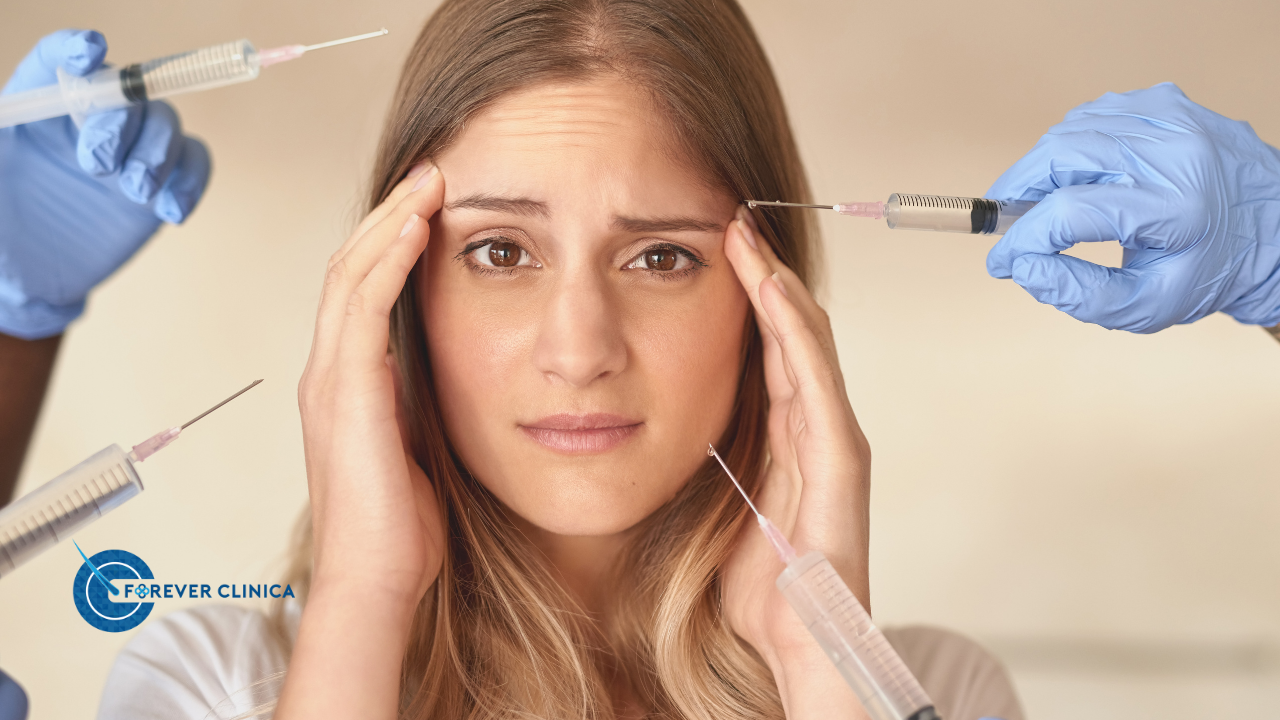
Migraine Botox is a procedure performed by experienced physicians. During the treatment, botulinum toxin is injected into specific points. These points are usually the forehead, temples, neck, and shoulders. The procedure takes approximately 15-20 minutes, and the patient can return to normal activities the same day.

Expected Effects After Application

  • Reduction in Attack Frequency: Migraine Botox significantly reduces the frequency of attacks.
  • Reduction in Pain Severity: Attacks become milder and shorter in duration.
  • Improved Quality of Life: With the reduction in migraine attacks, patients experience a noticeable improvement in their quality of life.

Who is Migraine Botox Suitable For?

Migraine Botox is particularly suitable for chronic migraine patients. This treatment method may be considered in the following cases:

  • Those who experience 15 or more migraine days per month,
  • Those who do not achieve sufficient results with traditional treatment methods,
  • Those who experience side effects from medication use.

However, it may not be suitable for every patient. Therefore, a detailed examination and evaluation before treatment is essential.

Are There Any Side Effects of Migraine Botox?

Migraine Botox is generally a safe treatment method. However, as with any medical procedure, some side effects may occur. These may include mild pain, redness, or swelling at the injection site. Rarely, weakness in the neck muscles or temporary headaches may occur. These side effects are usually short-lived and resolve on their own.

Migraine Botox Treatment at Forever Clinica

At Forever Clinica, we administer Migraine Botox treatment in the safest and most effective way with our expert physicians. The health and satisfaction of our patients are always our top priority. We create a personalized treatment plan for each patient after a detailed examination and evaluation.

Why Choose Forever Clinica?

  • Experienced Medical Team: We provide services with expert and experienced physicians.
  • Personalized Treatment Plan: We offer customized treatment plans tailored to each patient’s needs.
  • Safe and Modern Treatment Methods: We provide safe and effective treatments using the latest technologies.

Although migraine is a disease that significantly reduces the quality of life, it can now be more easily controlled with the solutions offered by modern medicine. Migraine Botox is an effective treatment option, especially for chronic migraine patients. At Forever Clinica, we are by your side in the fight against migraines and are here to determine the most suitable treatment method for you.

Contact us to learn more about Migraine Botox or to schedule an appointment. Forever Clinica is here for a healthy and pain-free life!

Forever Clinica – Your Destination for a Healthy Life

Nasal Septum Deviation

At Forever Clinica, as a specialized institution in nasal health and aesthetics, we would like to inform you about nasal septum deviation. Nasal septum deviation is a common condition that can cause nasal congestion, breathing difficulties, and even sleep problems. In this article, you will find detailed information about what nasal septum deviation is, its symptoms, diagnostic methods, and treatment options.

What is Nasal Septum Deviation?

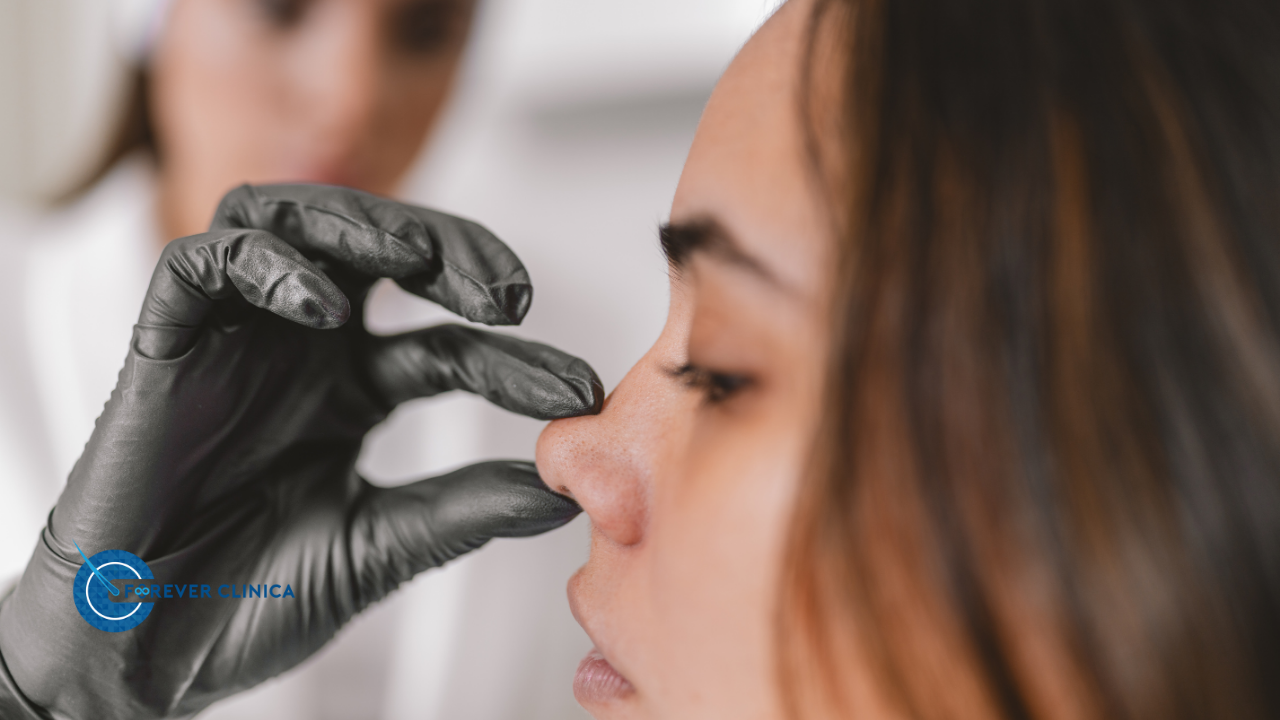
The nasal septum is a structure made of cartilage and bone that divides your nose into two separate nostrils. Ideally, the septum is located in the center of the nose, allowing both nostrils to receive air equally. However, in cases of nasal septum deviation, this structure bends or shifts to one side. This condition can lead to nasal congestion and other respiratory problems.

Causes of Nasal Septum Deviation

Nasal septum deviation can be congenital or may occur due to trauma. Injuries to the nose, sports accidents, or other impacts can cause the septum to bend. Additionally, age-related changes in the nasal structure can also increase the risk of deviation.

Symptoms of Nasal Septum Deviation

Nasal septum deviation can range from mild to severe and may cause various respiratory issues. Here are the most common symptoms:
  • Nasal Congestion: Deviation can cause one or both nostrils to become blocked, especially during colds or allergies.
  • Difficulty Breathing: Nasal congestion can make breathing difficult, affecting daily activities.
  • Snoring and Sleep Apnea: Deviation can lead to snoring and even sleep apnea.
  • Recurrent Sinus Infections: Nasal congestion can prevent proper sinus drainage, leading to recurrent sinus infections.
  • Facial Pain: In some cases, deviation can cause facial pain or headaches.

Diagnosis of Nasal Septum Deviation

At Forever Clinica, our expert doctors conduct a detailed examination process to diagnose nasal septum deviation. The following methods are used:
  • Physical Examination: Your doctor will examine the inside of your nose using a special tool to assess the degree of deviation.
  • Endoscopic Examination: Endoscopic methods may be used for a more detailed examination of the nasal cavity.
  • Imaging Techniques: In some cases, imaging techniques such as computed tomography (CT) may be used to evaluate the septum’s structure more clearly.

Treatment Options for Nasal Septum Deviation

The treatment of nasal septum deviation varies depending on the severity of the condition and how it affects the patient’s quality of life. At Forever Clinica, we offer personalized treatment plans for each patient.

1. Medication

For mild cases of deviation, nasal sprays or decongestants may be recommended to relieve nasal congestion. However, these methods do not correct the deviation; they only alleviate symptoms.

2. Surgical Treatment: Septoplasty

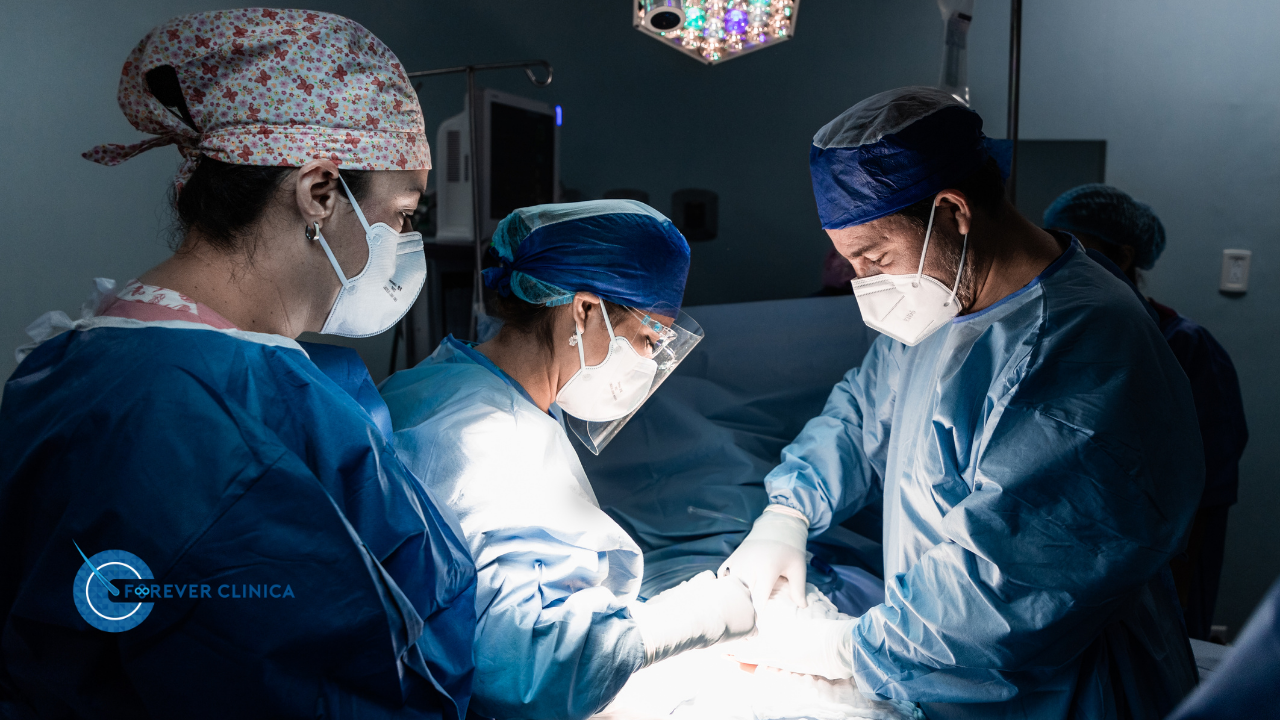
In severe cases of deviation, surgical intervention may be necessary. Septoplasty is a surgical procedure that corrects the deviated septum and opens the nasal passages. At Forever Clinica, septoplasty is performed by our experienced surgeons using minimally invasive techniques, ensuring a quick recovery for patients.

Recovery Process After Septoplasty

The recovery process after septoplasty is usually quick and comfortable. Mild pain and swelling may occur for a few days after the surgery, but this will subside quickly. Your doctor will provide detailed information on what to expect during the recovery process.

3. Combined Treatments

In some cases, additional procedures such as rhinoplasty may be required alongside nasal septum deviation treatment. At Forever Clinica, we offer combined treatment options to meet both functional and aesthetic needs.

The Forever Clinica Difference in Nasal Septum Deviation Treatment

At Forever Clinica, as a team specialized in nasal health and aesthetics, we offer personalized treatment plans for each patient. Our treatments, performed using modern technologies and minimally invasive techniques, prioritize patient comfort and satisfaction.
  • Experienced Expert Team: Our expert doctors use the latest techniques in nasal septum deviation treatment.
  • Personalized Treatment Plans: We achieve the best results with treatment plans tailored to each patient’s needs.
  • Patient Satisfaction-Oriented Service: Patient comfort and satisfaction are always our top priorities.
Nasal septum deviation can significantly affect your quality of life. However, with the right diagnosis and treatment methods, it is possible to overcome this issue. At Forever Clinica, we are here to help you regain your nasal health. If you are experiencing nasal congestion or breathing difficulties, do not hesitate to contact our expert team.A healthy nose means a healthy life. Regain your nasal health with Forever Clinica!All treatments are performed in Turkey by our expert team at Forever Clinica.

How Long Does Jawline Filler Last?

Aesthetic and youthful appearance is among the top priorities for many people today. Especially for those who want to define their facial contours and achieve a more balanced look, jawline filler has become a popular choice. So, how long does jawline filler last? At Forever Clinica, we provide you with a detailed answer to this question.

What is Jawline Filler?

Jawline filler is a procedure that uses hyaluronic acid-based dermal fillers to shape, volumize, and create a sharper jawline. This procedure is an ideal solution for those who want to correct facial symmetry, define the jawline, or reduce signs of aging without the need for surgical intervention.

How Long Does Jawline Filler Last?

The longevity of jawline filler depends on the type of filler used, the individual’s metabolic rate, lifestyle, and the anatomical structure of the treated area.

Hyaluronic Acid-Based Fillers

Hyaluronic acid is a naturally occurring substance in the skin known for its moisture-retaining properties. This type of filler is the most commonly used material for jawline augmentation. Hyaluronic acid-based fillers typically last between 6 to 18 months. This duration may vary depending on the individual’s metabolic rate and the density of the filler.

Factors Affecting Longevity

  • Metabolic Rate: Individuals with a faster metabolism may absorb the filler material more quickly, which can shorten the duration of the filler’s effect.
  • Lifestyle: Factors such as smoking, excessive sun exposure, and irregular diet can reduce the lifespan of the filler.
  • Application Technique: Procedures performed by an experienced physician using the correct technique ensure longer-lasting results.
  • Filler Density: Higher density fillers tend to last longer.

Advantages of Jawline Filler

  • No Surgery Required: Jawline filler is a non-surgical procedure with a short recovery time.
  • Natural Appearance: Hyaluronic acid-based fillers blend seamlessly with the skin, providing a natural look.
  • Customized Design: The procedure is tailored to your jawline structure, helping you achieve your desired proportions.
  • Quick Results: You can see immediate results after the procedure and quickly return to your daily life.

Reliable Jawline Filler with Forever Clinica

At Forever Clinica, we use the latest technologies and high-quality hyaluronic acid-based fillers for jawline augmentation. Our expert physicians create personalized treatment plans tailored to your facial anatomy, ensuring natural and impressive results.To maximize the longevity of your jawline filler, we recommend following our post-procedure care instructions and attending regular check-ups.Jawline filler is an effective way to shape your facial contours and achieve a more youthful appearance without surgery. Hyaluronic acid-based fillers typically last between 6 to 18 months, and proper care and regular check-ups are essential to extend this duration.At Forever Clinica, we are here to help you achieve your aesthetic goals with reliable and effective solutions. Contact us to learn more about jawline filler or to schedule an appointment.Remember, beauty starts with confidence, and at Forever Clinica, we are here to help you gain that confidence!

What is Hair Loss (Alopecia)?

Hair loss can have significant aesthetic and psychological impacts. At Forever Clinica, we are here to provide you with detailed information about hair loss (alopecia) and support you with the latest treatment methods, all carried out in Turkey.

What is Hair Loss (Alopecia)?

Hair loss, medically known as alopecia, occurs due to various reasons that cause hair shedding. Genetic factors, hormonal changes, immune system issues, or environmental influences can trigger this condition. Therefore, a thorough evaluation is essential to determine the exact cause of hair loss.

Types of Alopecia

Alopecia is classified into several types, each with its own symptoms and progression. Here are the most common types:

  • Androgenetic Alopecia: The most common type of hair loss caused by the combination of genetic and hormonal factors.
  • Alopecia Areata: An autoimmune condition in which the immune system attacks hair follicles, resulting in round or oval patches of hair loss.
  • Telogen Effluvium: A condition where hair shifts prematurely into the resting phase due to stress, hormonal imbalances, or serious illness.
  • Traumatic Alopecia: Hair loss caused by mechanical or chemical trauma to the scalp.

Symptoms of Hair Loss and the Importance of Early Diagnosis

The symptoms of hair loss vary from person to person, highlighting the importance of accurate diagnosis and treatment. Key symptoms include:

  • The formation of round or oval bald patches
  • Noticeable recession of the hairline
  • Redness or itching on the scalp

Early diagnosis plays a critical role in preventing the progression of hair loss and initiating effective treatment.

Hair Loss Treatment Methods at Forever Clinica

Since every patient has unique needs, personalized treatment plans are the best approach. At Forever Clinica, we offer the most modern and effective treatment methods for hair loss (alopecia):

  • Medical Treatment: Medications that strengthen hair follicles and reduce hair loss.
  • PRP (Platelet Rich Plasma) Applications: Stimulating hair follicles using growth factors derived from your own blood.
  • Laser Therapy: Modern techniques that activate hair follicles by stimulating the scalp.
  • Hair Transplant: In advanced cases, hair transplant procedures are performed to achieve natural-looking results.

Each treatment is tailored to the patient’s overall health, type, and severity of hair loss. Our goal is to provide you with the best support to regain healthy hair.

Our Expert Team and Evaluation Process

At Forever Clinica, our experienced dermatologists and hair transplant specialists conduct a comprehensive evaluation process. Our process includes the following steps:

  1. Comprehensive Examination: A detailed examination of your scalp and evaluation of your medical history.
  2. Diagnosis and Analysis: Determining the cause of hair loss using dermoscopy, biopsy, and laboratory tests when necessary.
  3. Personalized Treatment Plan: Creating a tailored treatment plan using our multidisciplinary approach.
  4. Treatment and Follow-Up: Regular monitoring and adjustments during the treatment process.

Your Key to Healthy Hair at Forever Clinica

Hair loss (alopecia) can significantly impact your quality of life, but with the right information, early diagnosis, and expert intervention, it can be managed effectively. At Forever Clinica, performed in Turkey, we are by your side with the most up-to-date treatment methods and personalized care. Contact us to take the first step toward regaining healthy hair and rediscovering yourself!

Forever Clinica – Healthy Hair, Healthy Life.

What to Do After Lip Fillers

At Forever Clinica, located in Turkey, we provide comprehensive information on what you need to pay attention to after a lip filler procedure, how to maintain proper post-treatment care, and how to achieve a natural and healthy appearance following the application. Whether you’ve already had lip fillers (lip filler injections) or are considering them, you’ll find answers to all your questions in this guide.

What Is a Lip Filler Procedure?

Lip fillers help achieve fuller, more shapely, and youthful-looking lips. In Turkey, these procedures are performed by expert medical teams using materials like hyaluronic acid or similar fillers to give the lips the desired volume and form. The post-treatment care process directly affects both how long the fillers last and how aesthetically pleasing the final result is.

First Hours and Days After Lip Fillers

1. Applying a Cold Compress

  • After the procedure, you can apply a cold compress at intervals during the first 24 hours to reduce swelling and redness that may occur on the lips.
  • A cold compress helps swelling subside more quickly and supports the reduction of possible bruising.

2. Touching and Massaging

  • If recommended by your doctor, you can gently massage your lips. Massage helps distribute the filler evenly.
  • If your specialist did not advise massage, avoid putting unnecessary pressure on your lips.

Things to Consider During the Healing Process

1. Rest and Fluid Intake

  • Adequate Rest: Give your lips time to rest by avoiding excessive facial expressions. Maintaining good sleep habits and reducing stress can speed up recovery.
  • Drinking Plenty of Water: Support your body’s natural healing mechanism by drinking at least 2 liters of water a day.

2. Lip Hygiene and Moisturizing

  • Using a Lip Moisturizer: Regularly moisturizing prevents dryness and cracking. Opt for a high-quality lip balm or creams suggested by your doctor.
  • Hygiene Rules: Avoid frequent contact with your lips and keep the treated area clean. This reduces the risk of infection.

Revising Your Eating and Drinking Habits

1. Hot and Cold Foods

  • Avoid very hot or very cold foods and drinks in the first few days after the procedure to minimize any increased sensitivity in the lips.

2. Spicy and Acidic Foods

  • Spicy or acidic foods can cause irritation or a burning sensation in the treated area. It’s recommended to take a break from these types of foods for a short period.

Possible Side Effects and Solutions

1. Swelling, Bruising, and Sensitivity

  • These are quite common after lip filler procedures and usually subside within a few days.
  • Applying a cold compress and using topical creams recommended by your doctor can speed up recovery.

2. Pain and Discomfort

  • Mild pain after lip fillers is normal. If you experience severe pain, consult your doctor immediately.
  • You can take prescribed pain relievers or anti-inflammatory medications as advised by your physician.

Long-Term Tips for Lasting, Natural Results

1. Regular Follow-Up Appointments

  • Don’t skip regular follow-up appointments after lip fillers. Your specialist will monitor the condition of the fillers and make any necessary adjustments.

2. A Healthy Lifestyle

  • Nutrition: Consuming foods rich in vitamins and minerals supports both your skin health and the appearance of your lips.
  • Smoking and Alcohol: Excessive smoking or alcohol use can negatively affect blood circulation in the lips, potentially delaying healing and impacting how long the filler lasts.

Frequently Asked Questions

Q: When will my lips look natural?
A: Swelling typically decreases within 1–2 weeks. Around 2–3 weeks later, your lips will take on a completely natural appearance.

Q: When can I wear lip makeup again?
A: It’s important to avoid lip makeup for the first 24–48 hours. Afterwards, you can use lipstick or lip liner, paying attention to proper hygiene.

Q: How long does a lip filler last?
A: Depending on the filler material used and individual factors, the effect usually lasts between 6 and 12 months.

What Does Forever Clinica Offer You?

  • Expert Team: Our experienced and certified doctors in Turkey perform lip filler procedures safely and effectively.
  • Personalized Approach: We tailor our solutions to your unique lip structure, expectations, and skin type.
  • High-Quality Products: We use FDA-approved filler materials from globally renowned brands to ensure reliable and effective results.

In conclusion, the post-lip filler care process is extremely important for both the success of the treatment and for protecting the health of your lips. Forever Clinica, based in Turkey, is with you every step of the way. If you have any questions or concerns, don’t hesitate to get in touch.

We wish you a healthy and radiant smile!

Botox for Hand Sweating

Excessive hand sweating (palmar hyperhidrosis) can significantly impact daily life and become a major problem for many individuals. At Forever Clinica, we offer one of the most effective solutions to help you overcome this uncomfortable condition: botox treatment. Botox application for excessive hand sweating is a safe, fast, and comfortable method that temporarily inhibits overactive sweat glands, improving your quality of life.

What is Palmar Hyperhidrosis?

Palmar hyperhidrosis occurs when the nervous system sends excessive signals to the sweat glands. Factors such as genetic predisposition, stress, and hot weather can trigger excessive sweating. This condition can interfere with various aspects of life, making tasks such as handshaking, writing, and using a phone difficult and uncomfortable.

Eliminate Hand Sweating with Botox

Botulinum toxin (botox) temporarily blocks the nerve signals that activate the sweat glands, significantly reducing excessive sweating. As a result, patients gain more confidence in their social and professional lives.

How is Botox Treatment for Hand Sweating Applied?

At Forever Clinica in Turkey, the botox treatment follows these steps:

  • Initial Consultation and Assessment: The patient’s level of excessive sweating is evaluated, and a personalized treatment plan is created.
  • Application of Anesthesia: A topical anesthetic cream is applied to minimize discomfort during the procedure.
  • Botox Injection: Botox is injected into the palm using fine needles. The procedure takes approximately 15-20 minutes.
  • Quick Recovery: The patient can resume daily activities immediately after the procedure.

Benefits of Botox Treatment

  • Fast and Effective Solution: Results start to appear within 2-7 days after the procedure.
  • Long-Lasting Effect: The treatment effectively controls excessive sweating for 4 to 6 months.
  • Painless and Comfortable: Patients experience minimal pain during the application.
  • Safe and Reliable: Botox is FDA-approved and has been used safely for many years.

Who is a Suitable Candidate for Botox Treatment?

If excessive hand sweating negatively impacts your daily life and social interactions, botox treatment is an ideal solution for you. It is a safe application for individuals without underlying health issues who are not pregnant or breastfeeding.

Experience the Forever Clinica Difference in Turkey!

At Forever Clinica, we offer expert medical staff and state-of-the-art facilities to eliminate the problem of excessive hand sweating. We provide customized solutions for our patients to ensure a comfortable and effective treatment process.

If you want to learn more about botox treatment for hand sweating and book an appointment, contact us today! For high-quality and reliable treatment, Forever Clinica in Turkey is always here for you!

Forever Clinica Uncategorized

How to Correct an Asymmetric Face?

Facial asymmetry is a common concern that can affect anyone. At Forever Clinica in Turkey, we strive to meet your aesthetic and health needs with the most advanced treatments. In this article, we will explore various methods to correct facial asymmetry, from non-invasive options like dermal fillers and Botox to surgical interventions. Keep reading to discover innovative ways to achieve a more balanced and confident appearance.

What Is Facial Asymmetry?

Facial asymmetry occurs when one side of the face appears different from the other. This can be influenced by genetic factors, aging, injuries, or variations in muscle and bone structure. Often, asymmetry becomes more noticeable during facial expressions, leading to dissatisfaction with one’s appearance. Fortunately, modern technologies offer effective solutions to address this issue.

Treatment Methods for Facial Asymmetry

1. Dermal Filler Injections

Dermal filler injections are a popular choice for correcting facial asymmetry. This procedure involves injecting substances like hyaluronic acid into areas that lack volume or appear imbalanced. Fillers can enhance the jawline, cheekbones, or lips, providing immediate and noticeable results. While the procedure is quick and minimally invasive, periodic touch-ups may be necessary to maintain the effects.

2. Botox Treatments

Botox can help correct asymmetry by reducing excessive muscle activity in certain facial areas. This is particularly effective for imbalances caused by overactive facial muscles. By relaxing the muscles, Botox allows the face to appear more harmonious. However, its effects are temporary—lasting roughly 3-6 months—so follow-up sessions are recommended to retain the improved balance.

3. Surgical Facial Aesthetics

If your facial asymmetry is significant or cannot be sufficiently corrected with fillers or Botox, surgical interventions may be advised. Common procedures include rhinoplasty (nose surgery), genioplasty (chin surgery), or the placement of facial implants to reshape specific areas. Although these options provide long-lasting and dramatic results, they also require a longer recovery period.

Innovative Treatment Options

1. Laser Therapies

Laser treatments can assist in correcting facial asymmetry by rejuvenating and resurfacing the skin. Through improvements in skin tone and texture, the overall facial appearance becomes more balanced and youthful. Laser applications also help reduce fine lines and wrinkles, contributing to a more even look.

2. Microcurrent Therapy

Microcurrent therapy is a non-invasive technique that uses low-level electrical currents to stimulate and tone facial muscles. This method tightens and lifts the face, helping to achieve a more symmetrical contour. With no downtime and minimal discomfort, microcurrent therapy is an excellent addition to many facial rejuvenation plans.

Facial Asymmetry Treatment at Forever Clinica in Turkey

At Forever Clinica in Turkey, we design personalized treatment plans to address your unique needs. The first step involves an in-depth facial analysis by our expert team to determine which treatment methods are most suitable for you. Throughout the process, we keep you informed and involved, ensuring optimal results at every stage.

By combining state-of-the-art technology with skilled professionals, we help you attain a look that boosts your confidence. Whether you choose dermal fillers, Botox, or surgical procedures, our goal is to deliver a more harmonious appearance that you’ll love.

Book Your Consultation Today

Ready to say goodbye to facial asymmetry? Forever Clinica is here to guide you. For more information or to schedule a consultation, visit our website or contact us directly. Experience firsthand how our personalized approach can help you achieve the balanced look you desire, all with the high standards and expertise that define aesthetic treatments in Turkey.

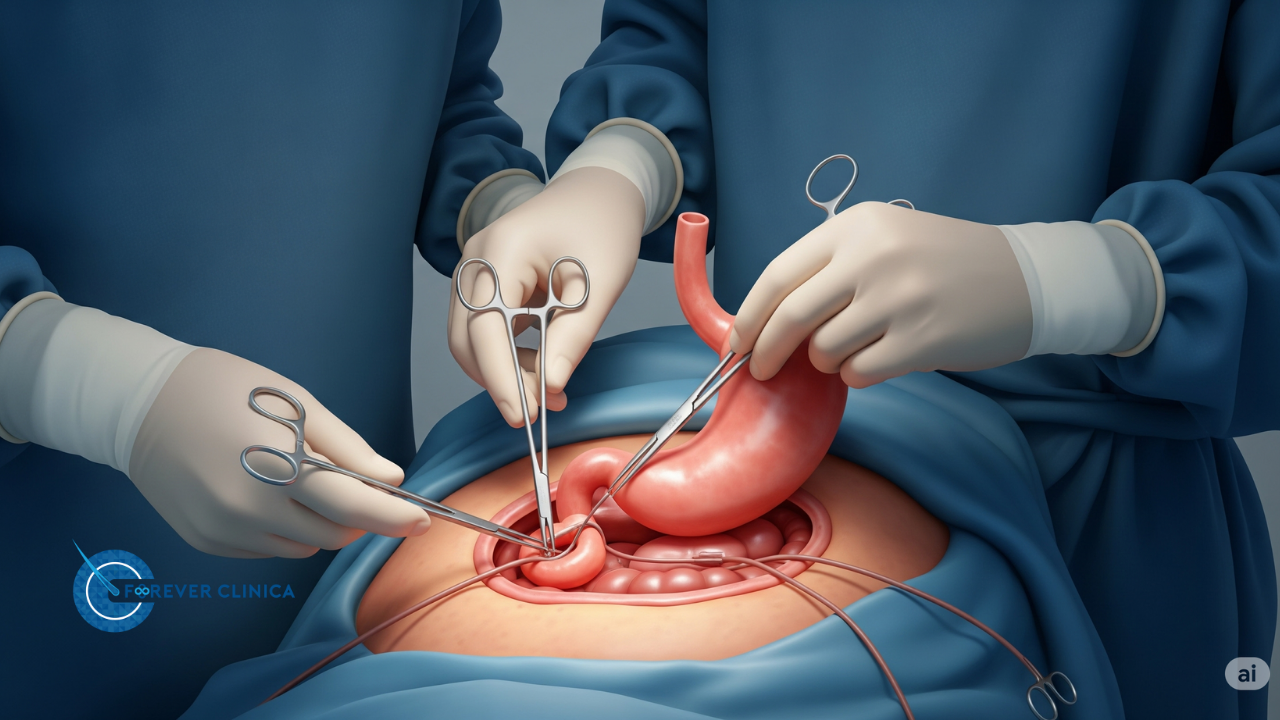
Gastric Sleeve Surgery: Risks and Side Effects

Gastric sleeve surgery (tüp mide ameliyatı) is one of the most commonly chosen bariatric surgical methods for those seeking a permanent solution to excess weight. In this article, we will comprehensively discuss the risks associated with gastric sleeve surgery, the side effects you might encounter post-surgery, and the essential points to consider. We will also cover the surgical processes and advantages offered by Forever Clinica in Turkey, ensuring you receive high-quality medical care at every stage.

What Is Gastric Sleeve Surgery?

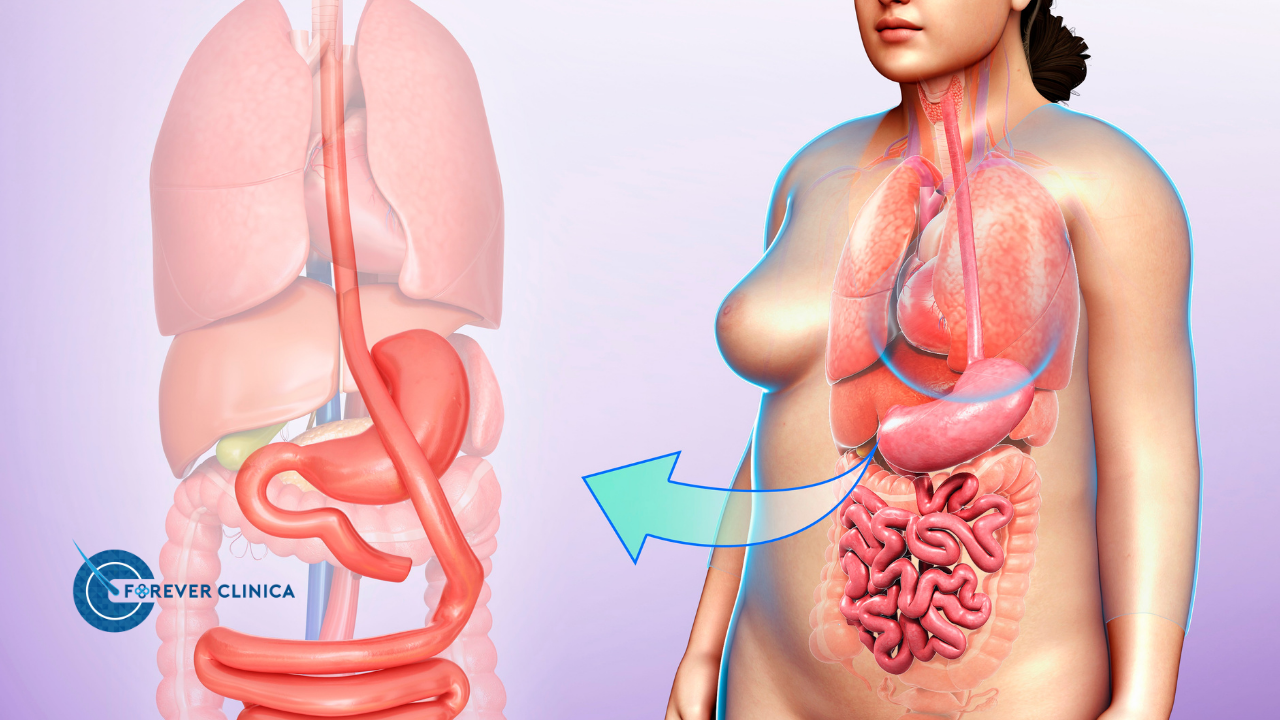
Also known in medical literature as “sleeve gastrectomy,” gastric sleeve surgery involves surgically removing a large portion of the stomach. What remains is a narrow, tube-shaped stomach. As a result:

  • You can feel full with smaller food portions.
  • Weight loss progresses more rapidly.
  • Associated conditions linked to obesity may improve significantly.

The Benefits of Gastric Sleeve Surgery

Gastric sleeve surgery does more than help patients lose weight; it can lead to noticeable improvements in overall health and quality of life. The main benefits include:

1. Significant Weight Loss

Patients with morbid obesity can experience substantial weight loss through gastric sleeve surgery. When combined with exercise and a healthy diet, the results can be even more successful.

2. Improvement in Metabolic Diseases

Obesity-related conditions such as diabetes and hypertension can greatly improve with weight loss. This often reduces medication use and fosters a healthier lifestyle.

3. Enhanced Quality of Life

Losing weight increases mobility and makes daily activities more comfortable. Patients often experience both physical and psychological benefits, leading to a higher quality of life.

Risks of Gastric Sleeve Surgery

Like all surgical procedures, gastric sleeve surgery carries certain risks. Being aware of these risks helps you make an informed decision before undergoing the procedure, which is performed in Turkey with modern medical standards.

Risks During Surgery

  • Bleeding: Although rare, bleeding can occur during or after surgery.
  • Infections: Postoperative infections may develop at the surgical site.
  • Leak (Suture Line Leak): The newly formed stomach sleeve may leak; this situation may require an additional surgical intervention.
  • Blood Clotting Issues: Formation of blood clots can lead to serious complications such as pulmonary embolism.

Long-Term Risks and Side Effects

  • Nutritional Deficiencies: Due to reduced stomach capacity, vitamin and mineral deficiencies can occur. Regular supplementation is strongly recommended.
  • Reflux: Some patients may experience an increased risk of acid reflux after gastric sleeve surgery.
  • Hair Loss: Rapid weight loss can sometimes lead to temporary hair loss, which generally resolves over time.

Postoperative Care and Important Considerations

Success after gastric sleeve surgery largely depends on the patient’s commitment to a new lifestyle. Key points to consider:

  • Dietary Guidelines: It is crucial to follow the meal plan provided by your doctor and dietitian.
  • Exercise: Regular, moderate exercise supports weight loss and improves overall health.
  • Regular Check-Ups: Attending scheduled doctor appointments is vital for early detection and management of potential complications.

Gastric Sleeve Surgery at Forever Clinica in Turkey

At Forever Clinica in Turkey, our expert team and modern infrastructure provide a safe and comprehensive approach to gastric sleeve surgery. Through detailed evaluations before the operation, an organized surgical process, and thorough follow-up services, we strive to offer our patients top-quality healthcare.

Our team supports you at every stage, from personalized nutrition and exercise recommendations to ensuring the best possible results. Prioritizing your well-being, we guide you throughout your weight loss journey with a wide range of services and expertise.

Gastric sleeve surgery offers an effective solution to combat obesity. However, like any surgical procedure, thorough preparation and accurate information before and after the operation are essential. If you would like to learn more about gastric sleeve surgery or consult with the expert team at Forever Clinica in Turkey, feel free to fill out our contact form and reach out to us.

Post-Rhinoplasty: Essential Tips for a Smooth Recovery

Post-Rhinoplasty care involves techniques and procedures that focus on health as well as aesthetics and it is equally important in ensuring that the results are excellent, as intended. Recovery is a phase in the healing process that could benefit from taking the right measures which are likely to lead to a positive outcome in the long run. This guide offers some steps one should take after a surgical procedure, which will help them feel more at ease during recovery. The focus of this article is post-operative nose care with additional information on how to recuperate more quickly, and possible answers to most of the burning questions people have regarding this subject.

What to Avoid Post-Rhinoplasty?

First five days and the first few weeks are important in the nose surgery recovery timeline. During this time, heavy lifting, bending over or any such activities that require a lot of strength should be avoided. Stress on the nasal organ or any of the surrounding structures should be avoided during the post-operative care of the nose. Also, if the strenuous activity involves lifting heavy items, then that would not be wise as it places stress on the healing nasal tissues and stitches. For the first two weeks after the operation, the patient should avoid strenuous activity and rapid movement.

But it is not only the physical activities that ought to be watched. Your dietary intake also really serves an important purpose in such a situation. Salty and spicy foods need to be taken with caution as they may lead to an increase in the swelling of the nasal region.

Controlling the Swelling and Bruising After the Rhinoplasty Procedure

Most of the patients will describe swelling and bruising as two of the most prevalent symptoms following surgery. It’s reasonable to say that it adds a lot to the time it takes for one to recover but thankfully it is not completely unavoidable. Cold therapy for the first two days after surgery also assists significantly in managing the swelling tissue. After using a compress, it is important to be cautious about how frequently and for how long the compress should be used.

It might take even longer for the swelling inside the nose to go down. For the full effects to show, one has to be patient enough. More often than not, people are aware of certain foods that help relieve this swelling. Pineapples and leafy green vegetables are some examples. One thing that cannot be forgotten is hydration status. A person needs to drink a substantial quantity of water to help in the elimination of the toxins and the underlying fluid jacket around tissues.

Oral Care and Dry Mouth Following Rhinoplasty Surgery – Point 2.6.4

After rhinoplasty, patients often deal with a dry mouth due to the restriction on nasal breathing that may occur. A person may start to breathe through their mouth, which in turn can cause discomfort and dryness. To remedy this, one can drink a lot of water or apply saline sprays or oral moisturisers in order to moisten the mouth.

Alternatively, it is essential to take extreme caution while it comes to normal oral care practices such as brushing teeth. One is suggested to use a soft-bristled toothbrush and not brush their teeth aggressively. Brusque movements may disrupt the fragile tissues in the nose, so a delicate and slow brushing technique is important. It is very important not to stoop down with the head so as to prevent head tilting when brushing within this period.

When Do Patients Hope to Recommence Skincare Activities and Facial Washing?

Patients are hesitant with this particular question. Let us consider it. A facial treatment, for instance, a professional skin-care treatment where the client has a concern area and has visited a spa salon, is done in twelve фмхсасхг about a month at least. On theContemporary with the surgery, the area around the nose is already healing and is more delicate, which is why any rough treatments are not advisable. Any skin products and skincare are also discouraged in the first month.

Sadly, patients are advised against washing their face within the first seven to ten days after surgery. Afterward this duration, one may easily wash one’s face with the help of lukewarm water. And be careful not to use hot water since it will only make the swelling worse. For those who have glue-strips or tape over their noses, this is not for them to go ripping off themselves; it will be dealt with by the surgeon in the follow up appointment.

Nose Surgery and Travel as well as Return to Everyday Life

If you plan to make a trip while still a bit revel from the anesthesia, then do not opt for long bus, train or airplane journeys soon after the surgery. This is because it’s safe to wait about two to three weeks before embarking on such a long journey. The time spent traveling and the pressure of the atmosphere, are significant causes of inflammation and pain which occur due to the traveling itself.

Daily activities must also be refrained from so that healing can occur without any interruptions. Opening one’s mouth wide, yawning, or even laughing can easily disturb the nose that has just been operated on. Therefore, in the initial post-operative weeks, it is best to limit such actions or any incident that would require one to move their face so much.

Recovery Timeline: What Happens in the First Month and Over Time

Everyone has a different timeline for recovery after nose surgery. There are also some general patterns that the recuperation of the body follows. It’s safe to say this first month is going to be the most important because this is when the swelling and bruising will be at its most extreme. In fact, you should not be surprised if you reduce that swelling in a few weeks. It may take half a year, however, for the nose to return completely to its natural look after being operated on and for the swelling and inflammation to dissipate.

When you hit around the 1 month mark, you can start moving about and engaging in some light activities, but the recommended course of action is to avoid high-intensity sports and high-intensity exercises. Most patients will see a difference in their nose shape after 6 months, as their nose would have started achieving its final form. However, at this stage, wear sunblock and avoid any direct sunlight exposure to your nose.

What Everyone Should Do After the Operation to Avoid Any Complications

There are a few things that you must do in order to avoid any such complications and to let us make life easier for all the patients as follows:

Saline sprays must be administered according to the prescription in order to maintain moisture level in the nasal cavity

In the first weeks, strenuous activities or any activities that require bending or picking heavy objects should be avoided.

It is advisable to sleep with your head elevated to minimize risk of swelling after the operation.

To prevent any irritation of the nose area, the patient is not permitted to blow their nose for at least two weeks after the procedure.

Try not to forget what your physician has told you to do after the nose operation and do try to go to all appointments that are scheduled afterwards.

In order to attain a successful recovery, there is a need for adherence to the instructions provided after the surgery. Each person heals in a different way, therefore your surgeon should be consulted for individual recommendations.

TIP:

Care of the nose after surgery is important for achieving the end results and the healing process. When proper care instructions are followed, and proper care is taken, the healing process and final results can be enhanced significantly. Keep in mind that the most important factor during this time is patience and every detail of the work performed. Always contact your surgeon in case of doubts and do not hesitate to speak up in regard to any issues encountered at any stage of the recovery process.

How Cosmetic Surgery Affects Psychology

Psychology is the scientific study of human behavior, including their thoughts, feelings, and emotions, as well as actions, in our current society the merging of psychology and aesthetics is a complicated and poorly understood area. The aesthetic surgery and its effects on the patients’ psych should be an interesting point of view. In this era of modernization, everything is changing, and so are the body image expectations which often leads many to consider getting aesthetic surgeries such as a nose job, breast enhancement, or even injections for beauty. But how do these changes effect the outward appearance, and how do alterations such as these affect the emotions of the people.

Psychological Effects associated with Aesthetic procedures

First, we need to pose a question. What does psychology mean? Psychology means the collective science dealing with the brain and actions, in more simple terms, it includes almost everything made and every human experience. Psychologists works with fairly diverse areas like emotions, perceptions, as well as self and world conception.

Psychological Effects of Aesthetic procedures to the Patients

Over the years, and with many advances in this sector, it has come to a point where there are many options available for the individuals looking for beauty and the industry has grown, so have the behavioral aspects and it in turn has led some to believe that changing anything on their body that is not pleasing will help improve their confidence and potentially make them more satisfied with life.

Deeper Psychological Issues Nevertheless, it is an important reminder to note that these desires are often associated with deeper psychological issues. For example, body dysmorphic disorder or BDD is a mental disorder in which a person has an obsessive focus on a perceived defect in appearance which in actuality could be very minor or even non-existent altogether. Such preoccupations cause severe distress and impact daily life activities.

The Link Between Aesthetic Surgery and Body Image Disorder. A large number of women who seek aesthetic or cosmetic surgery may have been affected by this disorder perhaps even prior to the surgery. This disorder is characterized by the individual being largely discontent with their appearance and this leads to seeking surgery. But how is body image disorder treated? Some authors propose that BDD may be alleviated with surgeries, however, more profound psychopathologies must be taken care of. Helping such individuals reside therapy, counseling or support groups to work through their feelings and improve their self-image.

However, it must be made clear that BDD is not a possible outcome for all individuals who are getting an aesthetic surgery. Unfortunately, those who do have struggled with body image issues often feel like a loop where they are dissatisfied and will go back to their negative thoughts regardless of how the surgery proceeds.

The Influence of Confidence in the Choice to Have An Operation

The impulse to embrace an aesthetic procedure, among other things, is rooted in the desire to gain confidence. Quite a number of people ‘optimistically’ presume that their self-image enhancement would equal improved self-image and enhanced social presence. And there is nothing unreasonable about this belief—quite a good number of researches have shown that the patients, after the performance of aesthetic surgery procedures, had an improved confidence. But this is where the paradox lies, this is not permanent and people return to the same insecurities they had before the operation.

Identifying the Indicators of Depression

We must also take into account the possible depressive symptoms associated with these feelings. For people who have suffered image-related trauma or bullying, these self- image distortions may lead them to the solution of undergoing surgery in an attempt to run away from negative experiences. However, with regard to aesthetic surgery – it would not be an understatement to say that it does not exactly wipe the slate clean, so to speak.

Healing, The Battle Doesn’t End with Changing How One Looks.

Something that goes hand in hand with the aesthetic surgery is the process of recovery, which in itself should be regarded as emphasising an important point. Recovery does not only encompass biological restoration; it involves patience from the psychobiological aspect as well. Various feelings might overwhelm the patients, and they might feel fulfilled at getting their new look or feel tensed because of the fear of how other people would view them.

In addition, it is important to remember that the individuals concerned will feel the mental repercussions of aesthetic surgery’s impact differently. There are those who will relish and feel revived but there are those who will feel disgruntled or sorry a bit in case the results did not live up to their expectations.

Strength of Support Systems

A strong network of support helps in quicker recovery. Interaction with friends, family or support groups fosters the motivation required to deal with the emotional aspects that come with aesthetic surgery. Confronting individuals with their feelings and desire and talking to them can help prepare them psychologically for appearance alteration.

Frequently Asked Questions

What does the term body dysmorphic disorder refer to?

A body dysmorphic disorder (BDD) is a mental disorder in which a person is preoccupied with imaginary defects in appearance. As a result, an individual will often be extremely anxious and unable to cope with life properly.

For BDD’s individuals in what manner do they regard themselves?

Some persons with BDD tend to be depressed in their appearance and deem themselves shabby even when the majority regards them as pretty or pleasant. The individuals possess a misperception of their body image and have feelings of shame and hyperfocused thoughts and compulsive actions regarding their appearance.

What are a few examples of body dysmorphic disorder?

An obsession with a perceived flaw.
The act of looking in the mirror and compulsively comparing their appearance with the real image.
The individual seeks reassurance from other people regarding his or her looks.

Avoidance of social situations due to any negative emphasis on one’s appearance.

Adverse social or occupational dysfunction caused by trouble with looks.

How is the self-esteem altered due to plastic surgery and its uses?

For some individuals, self-esteem can be boosted by cosmetic surgery for a little while. Yet underlying this self-confidence, self-esteem has to be qualified by resolving some issues within oneself.

What is the impact of aesthetic surgery on one’s psychology?

These psychological impacts have ranges from increase confidence and anxiety to feelings of regret or inadequacy when certain expectations are not achieved.

What are the side effects in a person’s mentality as a result of cosmetic surgery?

As a result of the procedure, some experience improvements to self-esteem whilst others continue to encounter body image issues and dissatisfaction after the operation.

The Real Perspectives in which Aesthetic Surgery Psychology is Viewed

The relationship between aesthetic surgery and psychology is intricate and multifaceted. While there are so many reasons why one would want to enhance their appearance, the mental implications cannot be ignored. Looking for professional assistance, addressing the redundant concerns and being assisted creates a better mental environment for people to undergo aesthetic surgery.

Learning how to love oneself the right way is a process that is usually the hardest for most people. All in all, the process of self-acceptance and self-esteem improvement does not spearhead only from outside influence and physical change regarded solely as superficial, rather, it stems from inside as well. It is in accepting our diversity, including our imperfections, that we find a sense of beauty in our lives. At the same time, let us not forget that it is not only about appearance. It is important to emphasize how people feel.