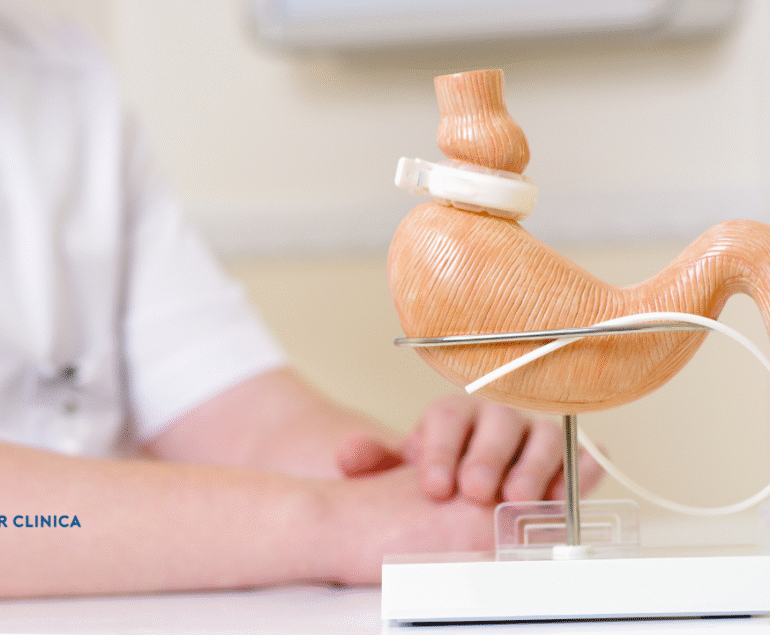
Your bariatric surgery has been successfully completed, and you have now stepped into the most exciting transformation process of your life. However, you must remember one thing: surgery provides you with a perfect “tool” to lose weight; what determines how this tool is used is your nutritional habits. Your new stomach is now as small as a coffee cup and quite sensitive. You should think of it like a baby’s stomach and train it step by step.
At Forever Clinica, during the operations we facilitate in the heart of Istanbul, the issue we value most is that our patients get through this first month consciously and healthily. This period is not just a weight loss period, but a period of adapting to the new anatomy of your body. Let’s examine the critical turns of the first 30 days and the obstacles to be considered, such as “Dumping Syndrome,” together.

The First Step: The Liquid Phase (Weeks 1 and 2)
The first 14 days after surgery is the most sensitive period when your stitches heal and your stomach sheds its edema. During this period, only liquid foods can enter your stomach. This phase is crucial for preventing any strain on the staple line and ensuring that your body stays hydrated while recovering from the surgical intervention.
Critical Rules of the Liquid Phase:
Clear Liquids First: For the first few days, you begin only with clear liquids such as water, grainless meat/chicken broth, and unsweetened light tea. If you can see through it, it is generally safe.
The Transition to Full Liquids: After the initial clear liquid stage, you can introduce low-fat milk, soy milk, or thinned yogurt. Everything must be completely strained.
Protein Support: Since your stomach is small, it is impossible for you to get enough protein from foods alone. Therefore, you should drink the isolated protein powders recommended by your doctor by mixing them into your liquids. Protein is the building block of healing.
Drink Sip by Sip: Never chug a glass of water or protein shake. Finishing a glass of liquid should take you about 30–45 minutes. Taking large gulps can cause painful spasms in your new small pouch.
Straws are Forbidden: Drinking with a straw causes air to enter the stomach, leading to severe gas pains and discomfort. Always sip directly from a cup.
The Transition Phase: The Purée Period (Weeks 3 and 4)
Your stitches have knitted together, and your stomach can now accept slightly more voluminous liquids. From the 15th day onwards, a transition is made to puréed foods. This is an exciting time because you finally get to experience different flavors and textures, but caution is still required.
What to Eat During the Purée Phase?
Blended and strained vegetable soups (avoiding fibrous vegetables for now).
Boiled eggs mashed thoroughly with a fork until they reach a paste-like consistency.
Low-fat labneh or strained (Greek) yogurt.
Puréed fish or chicken (softened with vegetable broth or a little water to ensure it isn’t dry).
Soft, mashed fruits like bananas or unsweetened applesauce.
Important Considerations:
Foods must be in the consistency of “baby food.” There should be no lumps or hard pieces left in the food. If you can’t mash it with a fork, it belongs in the blender.
Each meal should be approximately 2–3 tablespoons in quantity. Stop the moment you feel a sense of fullness or a slight pressure in your chest. Overeating at this stage can stretch the pouch and cause vomiting.
What is Dumping Syndrome and How to Prevent It?
One of the issues that patients who have undergone bariatric surgery, especially those in the Bypass group, are most afraid of is Dumping Syndrome. Even though it is less common in sleeve gastrectomy, it can still occur if nutritional rules are ignored.
What is it? It is a condition where, due to the bypass or reduction of a part of the stomach, especially sugary and carbohydrate-rich foods “dump” very quickly into the small intestine. The body gives a sudden and often violent reaction to this rapid sugar entry.
What are the Symptoms?
Severe abdominal cramps and diarrhea starting immediately after a meal.
Palpitations (rapid heart rate) and dizziness.
Cold sweating and nausea.
A feeling of a sudden drop in blood pressure or a “near-fainting” sensation.
How to Prevent It?
Stay Away from Sugar: Refined sugar and sugary foods are the number one cause of Dumping Syndrome. This includes sodas, candies, and even some high-sugar fruit juices.
The 30-Minute Rule (Solid-Liquid Separation): Do not drink water while eating. Liquid consumption should be 30 minutes before or 30 minutes after a meal. Liquid taken with food causes the food to be pushed into the intestine rapidly.
Small Bites, Thorough Chewing: Even in the purée and later soft-solid phases, reduce your bites to the size of a hazelnut and chew at least 20–30 times. This allows the food to mix with saliva and start the digestion process before reaching the stomach.
5 Golden Rules for the First Month
Listen to the Satiety Signal: It takes 20 minutes for the satiety signal to reach your brain. Eat very slowly and push the plate aside at the first feeling of fullness. If you feel a “hiccup” or a slight pressure, you’ve already had one bite too many.
Hydration is Key: Aim to drink at least 1.5 liters of water a day, but do this by spreading it throughout the day. Dehydration is one of the most common reasons for post-op hospital readmissions.
Avoid Caffeine and Carbonation: For the first month, coffee, carbonated drinks (soda), and alcohol can cause severe irritation to your stomach lining and can lead to ulcers or stretching.
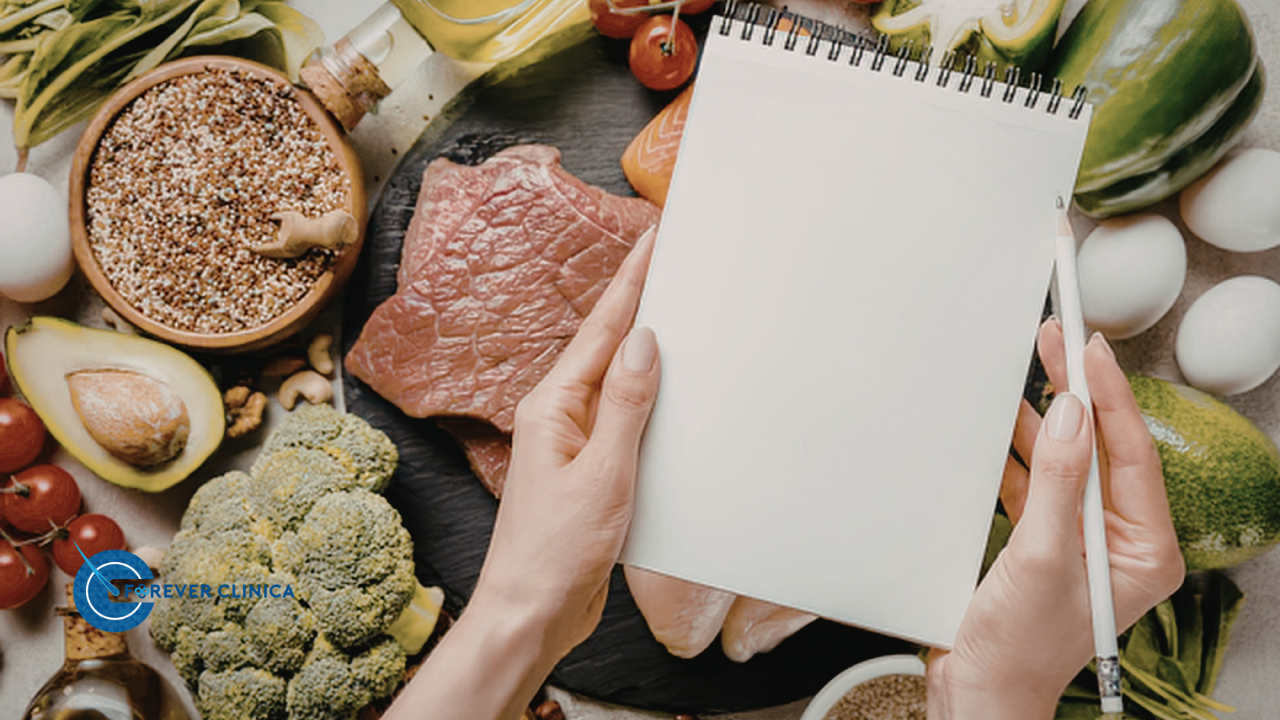
Protein Priority: On your plate (or in your bowl), there should always be protein first (yogurt, egg, meat purée), then vegetables. Protein is essential for maintaining muscle mass while you lose fat.
Do Not Neglect Your Vitamins: Since the stomach volume has shrunk and absorption has changed slightly, regular vitamin and mineral support is vital. Discipline in the first month sets the tone for your lifelong vitamin journey.
A Healthy Future in Istanbul: Why Forever Clinica?
Bariatric surgery does not only consist of the operating table. The Istanbul, Turkey route is a world leader with the high surgical experience and post-op (post-operative) follow-up systems it offers. At Forever Clinica, we understand that surgery is only 20% of the process; the remaining 80% is the support and lifestyle change.
We do not leave our patients alone after they are discharged from the hospital. Our expert dietitians guide you through every step of the first month. While starting your new life in the fascinating atmosphere of Istanbul, knowing that a professional team is with you 24/7 is the key to your success. Our international coordinators ensure that you have access to medical advice in your own language, making the recovery process as smooth as possible.
Frequently Asked Questions (FAQ)
1. When can I start eating normal food? Generally, a gradual transition to soft solid foods is made at the end of the 1st month. However, every body is different; you should wait for your doctor’s and dietitian’s approval.
2. I have a lot of gas pain after the surgery, what should I do? The best medicine for this is walking. Frequent walks at home or in the hospital corridor help to expel the gas used during the laparoscopic procedure.
3. I don’t feel any hunger at all, do I still have to eat? Yes. Even if you don’t feel hungry, you should eat protein-heavy meals on a schedule so that your body can heal and you don’t experience muscle loss. Think of it as “fueling” your recovery.
4. Is Dumping Syndrome dangerous? It is generally not life-threatening, but it is quite uncomfortable and scary for the person experiencing it. Experiencing these symptoms is your body’s way of saying “you ate something wrong.” It serves as a strong biological deterrent against unhealthy foods.
5. How much weight will I lose in the first month? Most patients lose between 10% and 15% of their excess body weight in the first month. However, remember that everyone’s journey is unique. Do not compare your scale numbers with others; focus on your own healing and habit-building.
ℹ️ Results may vary from person to person for every surgical or interventional procedure. It is recommended that you obtain detailed information from your physician before the procedure.